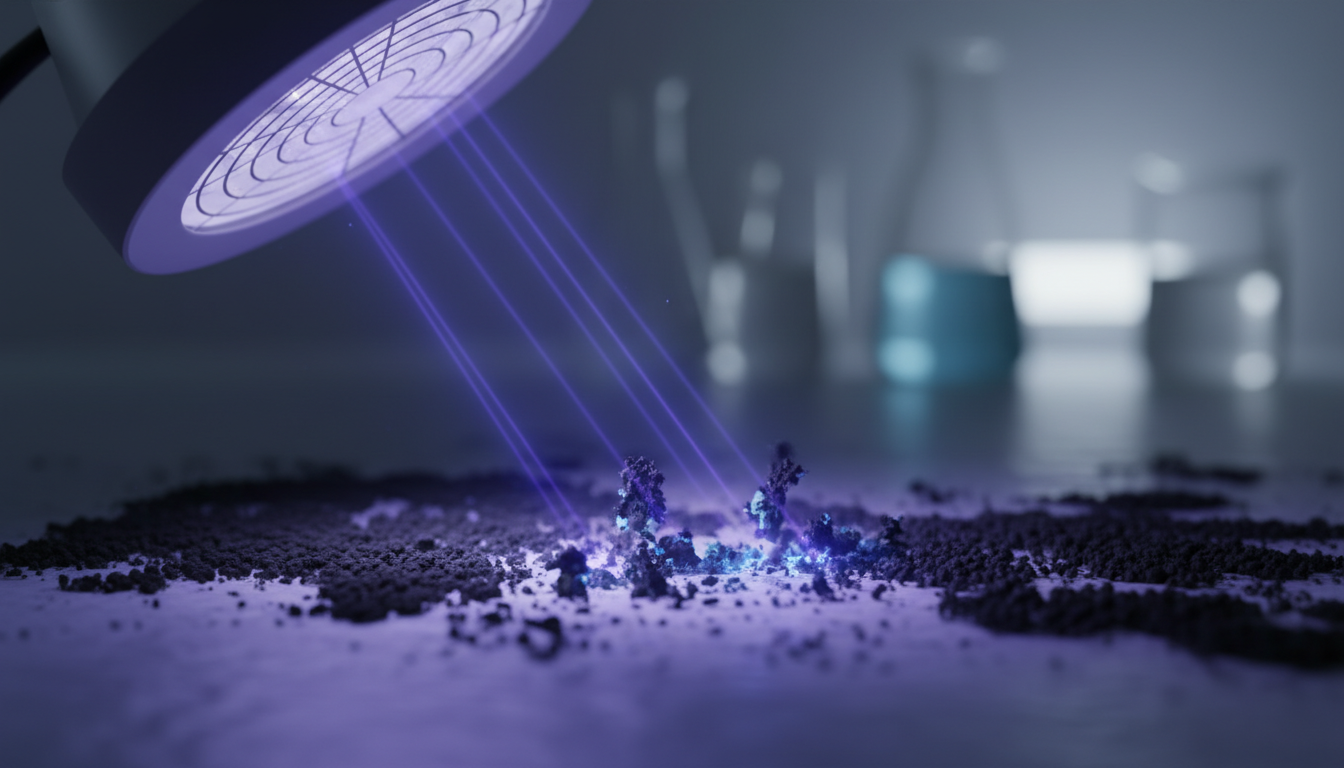
Yes, UV light kill mold effectively. But UV light works best when paired with moisture control. Ultraviolet light damages mold DNA and stops reproduction. This technology works on surfaces with direct light exposure, in HVAC systems, and for airborne spores. However, UV light won’t solve mold problems if moisture sources stay active or if mold growth hides inside walls.
This guide explains how UV light kill mold, where UV light is most effective in Southeast homes,
How Ultraviolet Light Kills Mold Spores
UV light kill mold through ultraviolet germicidal irradiation. When ultraviolet radiation hits a mold spore, it damages the cell wall and disrupts DNA and RNA. UV radiation breaks the covalent bonds in genetic material, stopping DNA from copying itself. The spore becomes inactive and cannot reproduce.
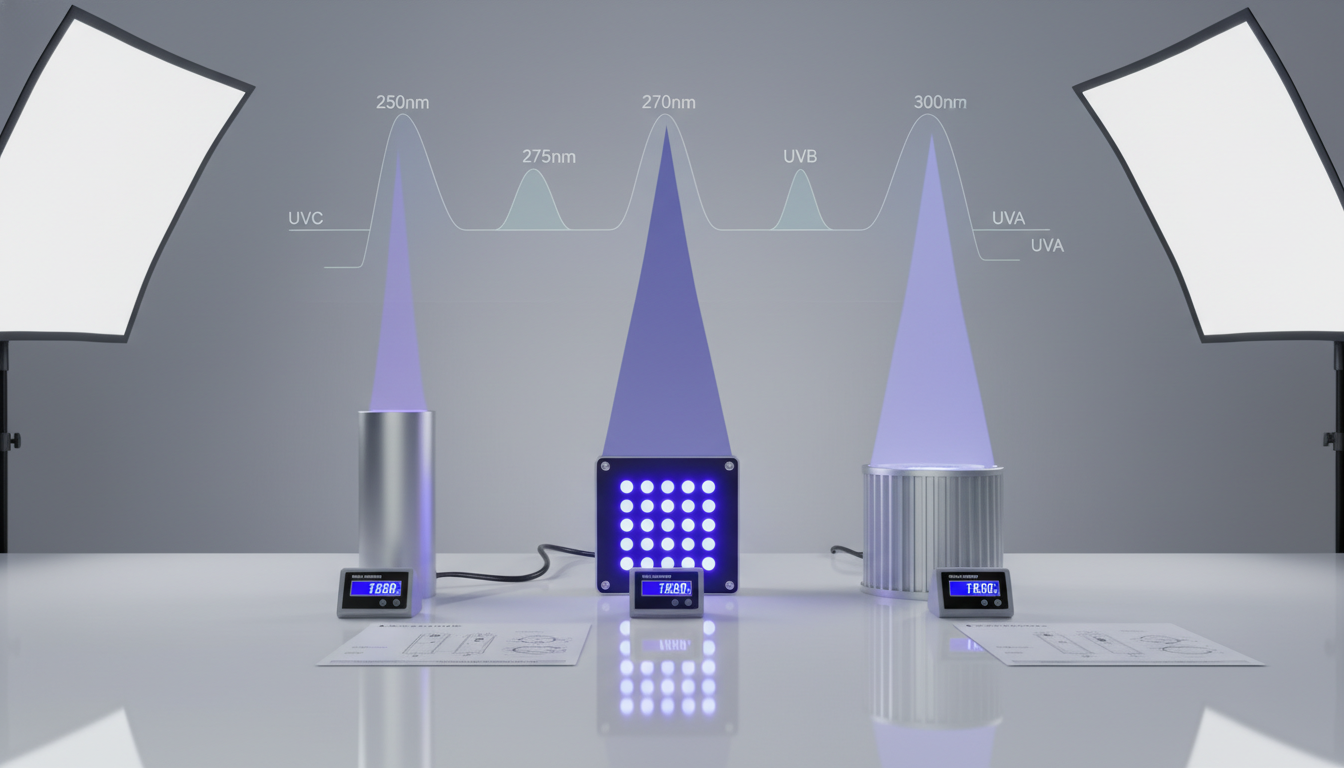
The best germicidal wavelength is between 200 and 280 nanometers (nm). Standard UV lamps emit at 254 nm. Newer UVC light LEDs produce 265-267 nm. Both wavelengths effectively kill mold and bacteria.
The key limit: UV light only works where it directly reaches mold spores. Light cannot penetrate drywall or wood. Mold hiding behind dust or inside walls won’t be affected by UV light. Direct exposure is required for effectiveness.
Types Of UV And UV Lamps That Kill Mold
UV-A, UV-B, and UV-C: Not All Kill Mold
UV-A (315 to 400 nm): The longest wavelength. Least effective against mold. Not recommended for mold control. UV-B (280 to 315 nm): Moderate wavelength with weak germicidal effect. Not suitable for killing mold spores. UV-C (100 to 280 nm): The only UV type effective for eliminating mold. Maximum power for killing microorganisms including bacteria, viruses, and mold.Common UV Lamp Types and Wavelengths
Low-pressure mercury lamps: Most common in HVAC systems. Emit at 254 nm. Affordable and effective. Older models may produce small amounts of ozone. UVC light LEDs: Newer technology with better efficiency at 265-267 nm wavelengths. Longer life and less heat than standard lamps. Amalgam lamps: High-intensity applications needing stronger output.How Lamp Intensity Affects Microbial Inactivation
Higher intensity (measured in microwatts per square centimeter) kills mold faster. Professional HVAC UV systems cost more because they deliver higher intensity. Exposure time varies from 30 minutes to several hours depending on lamp strength and distance from affected areas.
Warning About Ozone-Generating Lamp Types
Some UV lamps with wavelengths below 240 nm produce ozone. Ozone harms respiratory health. When shopping for UV air purification systems, check:
- UL or ANSI safety certifications
- Manufacturer ozone emission data
- Indoor use rating
- Ozone-free bulb replacements
Modern UVC light designs have eliminated most ozone production.
Can UV-C Kill Bacteria And Mold?
Yes. Bacteria respond to UV light more than mold. Common bacteria like E. coli need UV doses as low as 20 J/m2. Mold spores need 100 to 10,000 J/m2 depending on species. Mold spores have thicker cell walls and stronger protection, requiring prolonged exposure or higher intensity light.
UV light kill mold effectively in HVAC systems where airborne spores circulate through direct light. Effectiveness depends on whether microorganisms are shielded. Spores embedded in porous materials, protected by dust, or hidden inside walls won’t be reached by electromagnetic radiation.
Best Use Cases: HVAC System And Direct Light To Kill Mold Growth
HVAC Systems: Where UV Light Works Best
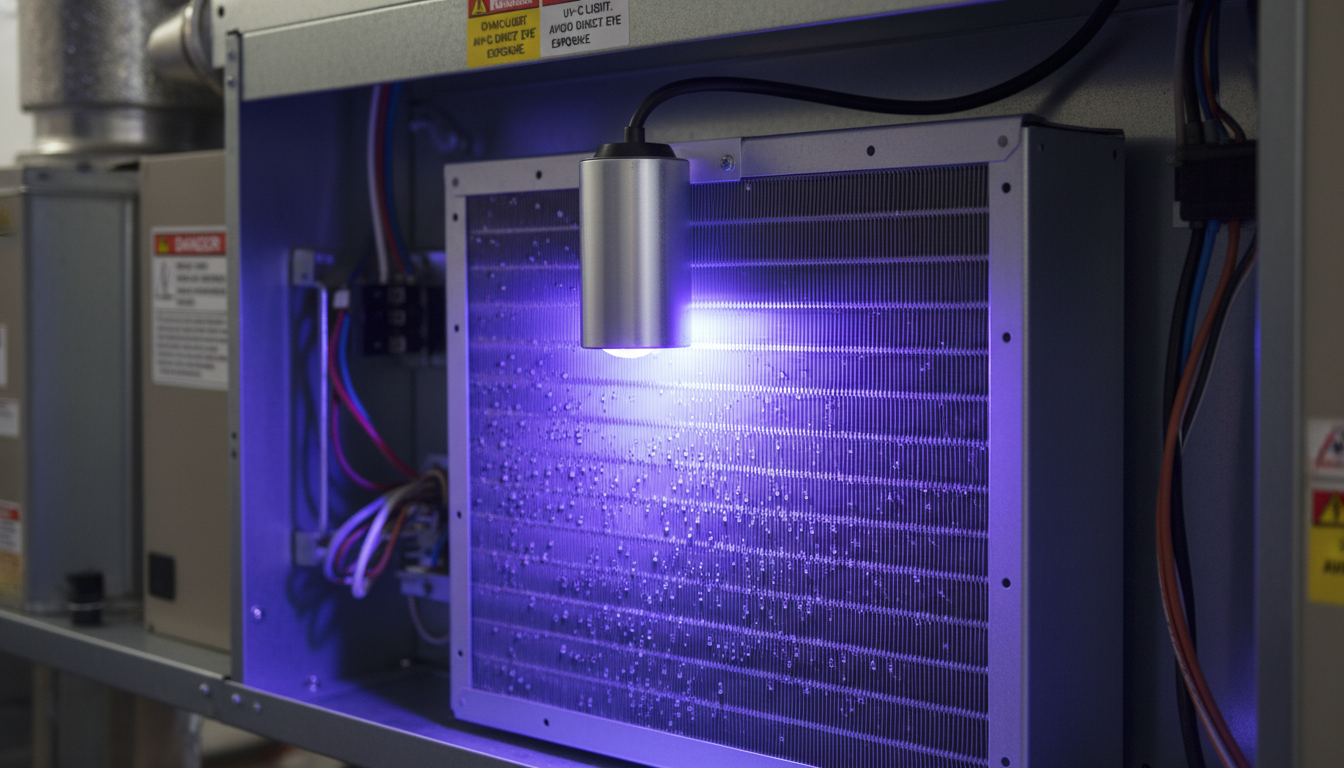
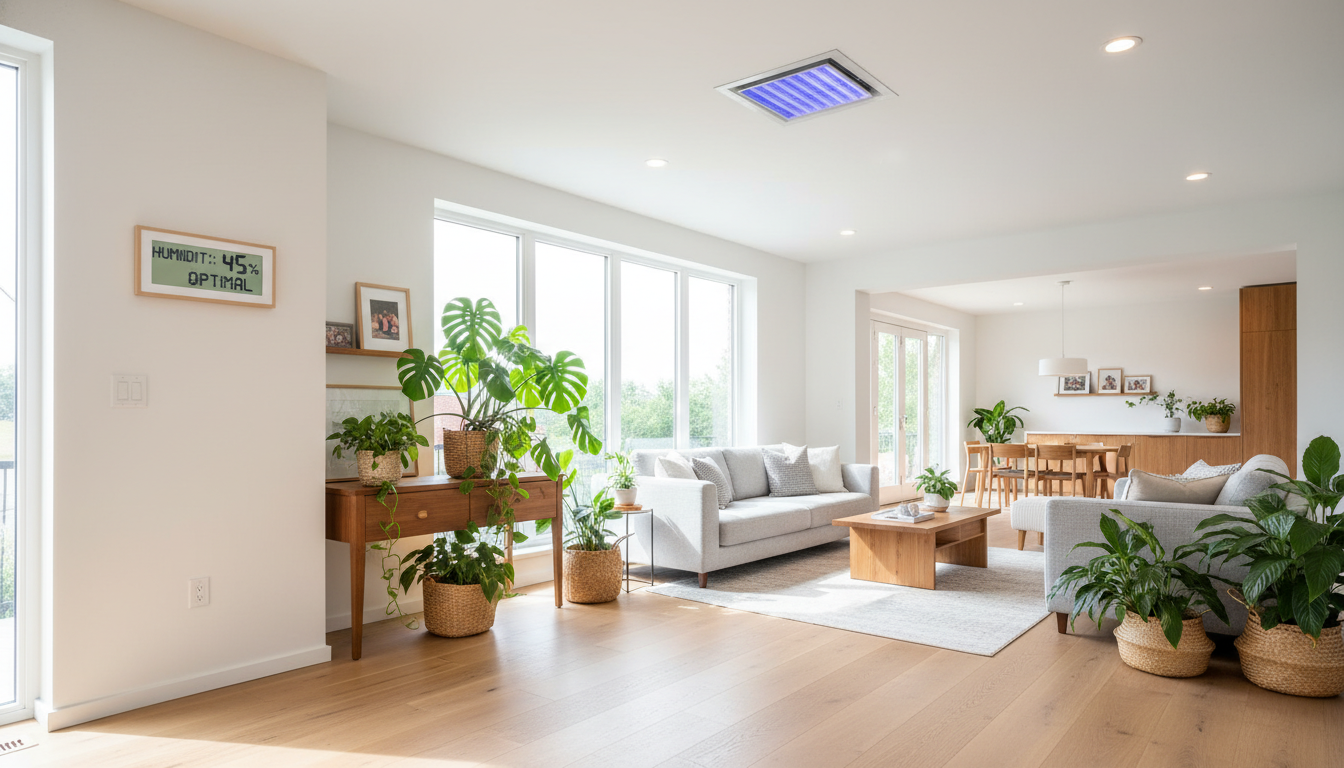
Installing UV light at HVAC coils and drain pans is the best residential use. When air conditioning units run, moisture condenses on cooling coils. This creates ideal conditions for mold growth. UV lamps positioned at coils provide constant light exposure, killing mold before it spreads through air ducts.
Typical HVAC UV placements:
- Near the evaporator coil
- In drain pans
- In-duct air purification systems for circulating air
Southeast homes in Georgia and North Carolina face high humidity promoting mold in HVAC unit components. UV light exposure in these systems prevents spores from circulating through indoor air and supports a healthier living environment. For comprehensive air quality testing, professional assessment helps identify whether UV installation would benefit your specific HVAC configuration.
Direct Surface Irradiation for Visible Mold
For surface mold on walls, basements, or crawlspaces, standalone UV lamps can kill mold on smooth surfaces. Position the lamp with direct line-of-sight at 6-12 inches from wet surfaces or affected areas. Follow lamp manufacturer exposure time guidelines.
The Critical Warning: UV Won’t Fix Mold Problems Without Moisture Control
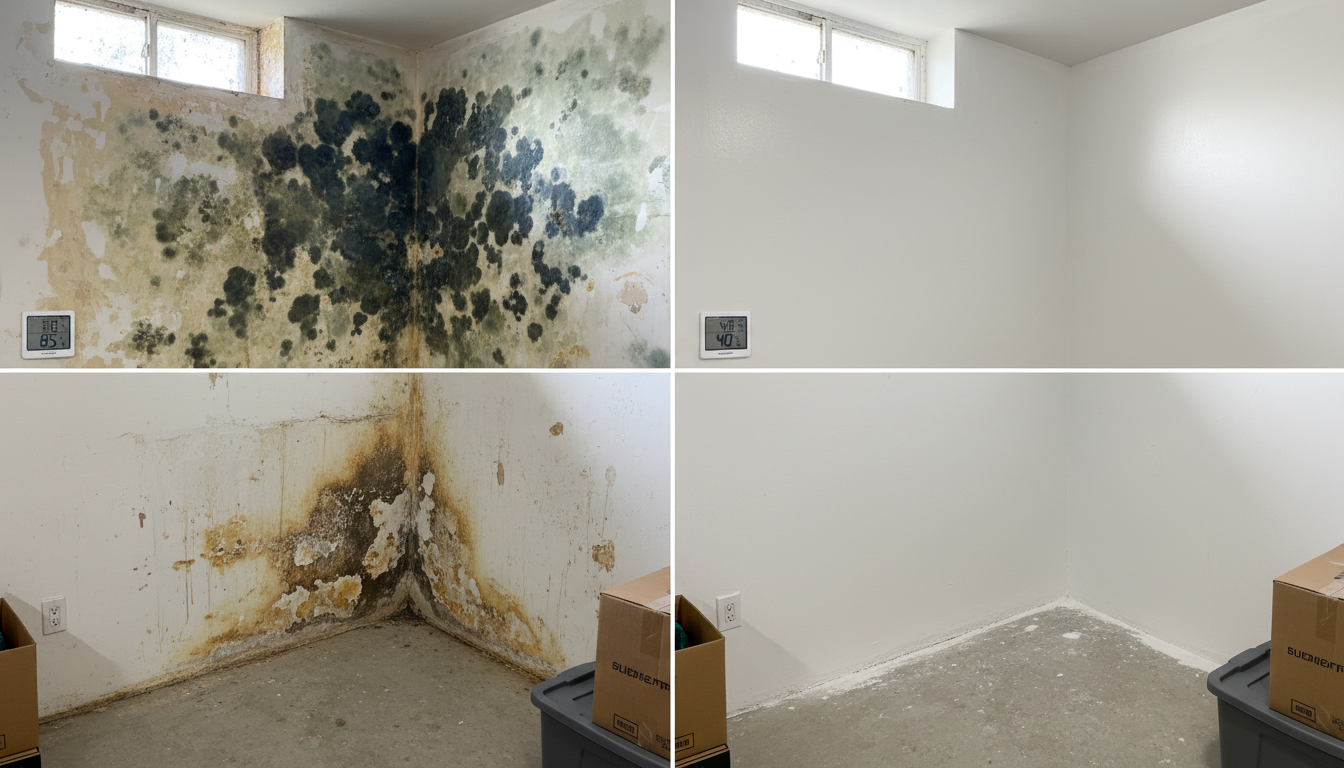
Even if UV light kills all existing mold, new growth returns if moisture stays present. UV air purifiers and HVAC systems are preventive measures, not solutions for active water leaks or poor humidity control. Keep indoor air humidity between 30-50% and fix moisture sources before relying on UV light technology.
Steps For Killing Mold With UV Lamps
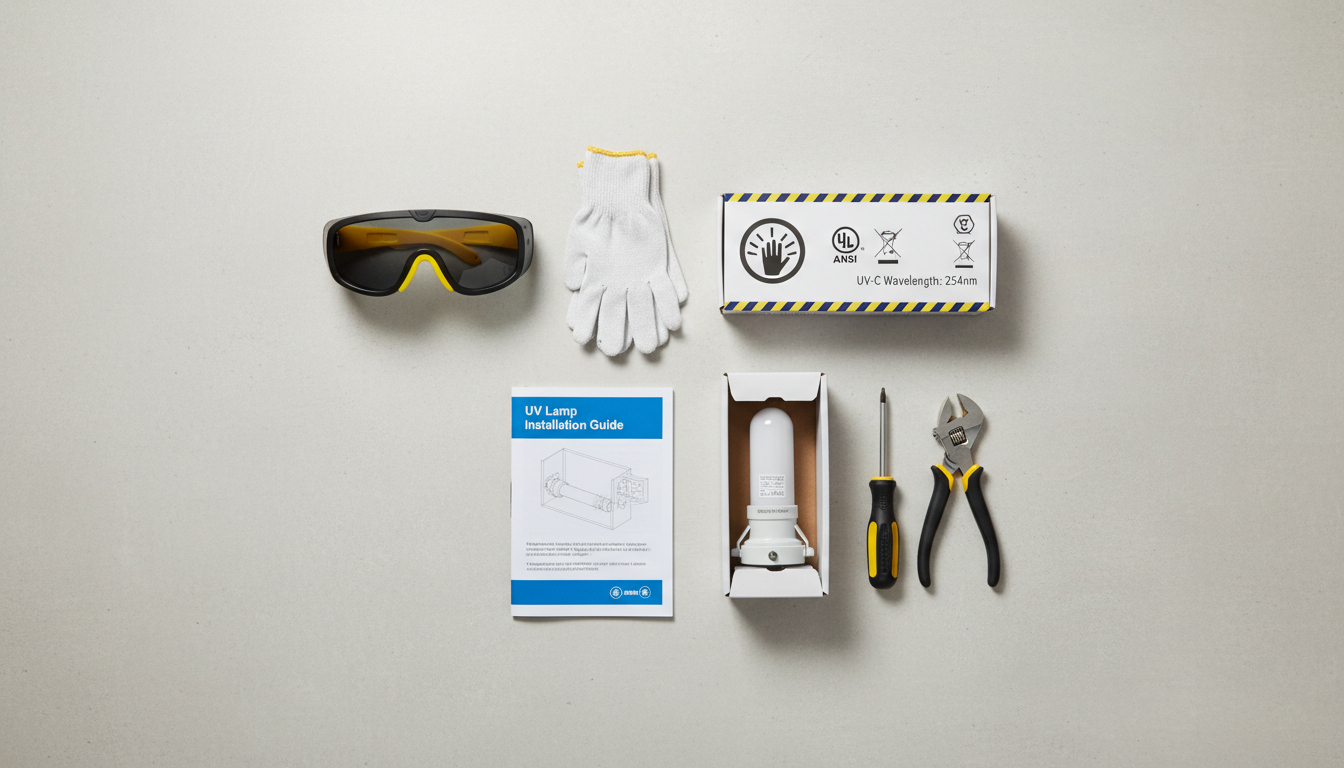
- Choose a proven device: Select UV lamps rated for mold control with UL or ANSI certifications. Check that ozone emissions are minimal and wavelength is 254 nm or 265-267 nm.
- Clean visible mold first: Manual cleaning methods remove surface mold before UV light treatment. Use HEPA vacuums or damp cloths with appropriate personal protective equipment to avoid spreading airborne contaminants.
- Position for unobstructed light exposure: Ensure direct light reaches all affected areas. For HVAC systems, professional installation ensures proper UV lamp positioning at coils and drain pans.
- Set appropriate exposure time: Follow manufacturer dose recommendations (typically 30 minutes to several hours). Higher intensity lamps require less exposure time.
Schedule bulb replacement: UV lamp effectiveness decreases over time. Replace bulbs annually (9 to 14 months) at $50-150 per bulb to maintain regular maintenance.
Limitations And Mold Problems UV Can’t Fix
Hidden Mold Inside Walls or Deep Materials
UV light cannot reach drywall, insulation, wood studs, or enclosed spaces. If mold growth invades structural materials behind walls or under flooring, UV light won’t reach it. Professional mold remediation involving material removal may be necessary.
Recurrence If Moisture Sources Remain Unaddressed
This is the most important limitation. New mold returns if humidity and leaks stay active. Mold exists everywhere as airborne spores. Your home stays mold-free only when moisture is controlled through humidity control, ventilation, and leak repairs.
Dead Spores May Leave Visible Residue
After UV light treatment, dark stains or discoloration may remain where mold once grew. These are dead, harmless cells creating cosmetic problems. Light cleaning after UV light exposure removes residue.
Safety And Regulations For UV-C Light
PPE for Skin and Eye Protection
UV light is hazardous to the human eye and skin. When using UV devices:
- Wear UV-protective goggles (not regular sunglasses)
- Cover exposed skin or stay at safe distance
- Never look directly at operating lamps
- For HVAC installations, lamps are shielded inside ducts with no exposure during normal use
Follow Manufacturer Instructions and Local Codes
Check local building codes for UV system installation requirements. Some areas require professional installation for in-duct systems. Verify electrical work meets safety standards and keep documentation for future reference.
Check Ozone Emissions and Safety Certifications
Verify products have low or zero ozone emissions with UL, ANSI, or ETL certification marks. California and other states have strict ozone limits. Ensure compliance before purchase. The Environmental Protection Agency provides guidance on ozone generators and safe air purification methods for residential use.
Combining UV With Professional Mold Remediation
Pair UV with Moisture Remediation Measures
Install UV light in HVAC systems with dehumidifiers to control humidity. Fix water leaks and seal air leaks before adding UV technology. Improve ventilation with exhaust fans in bathrooms and kitchens. Maintain drain pans and condensation lines.
Add HEPA Filtration and Ventilation Improvements
Upgrade to HEPA-rated filters to capture airborne spores escaping UV light treatment. Use portable air purifiers with HEPA filters in problem areas. Ensure air ducts are sealed and insulated to prevent condensation.
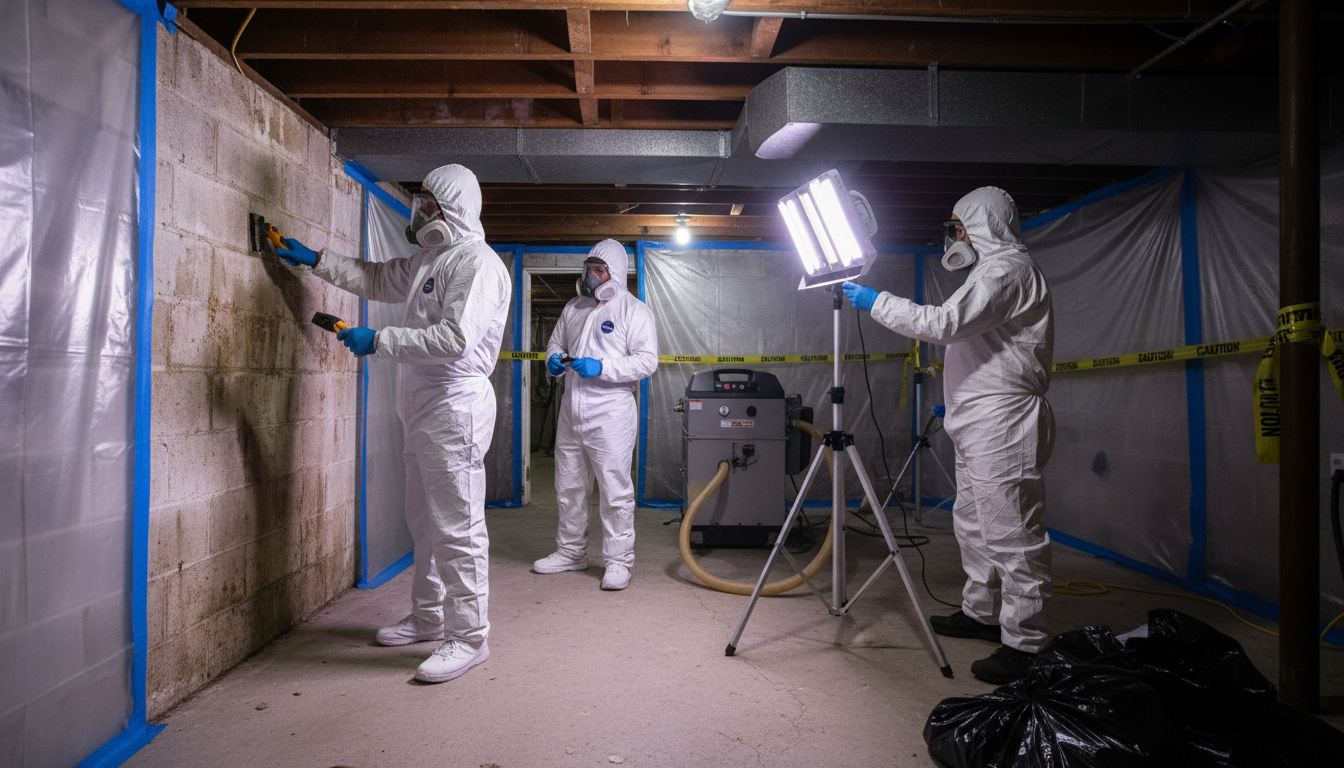
Recommend Professional Remediation for Large Infestations
For black mold, widespread problems affecting more than 10 square feet, or mold inside walls, call licensed mold remediation professionals. Get air quality testing to measure spore counts. Following remediation work, clearance testing verifies that mold has been successfully removed and UV light and moisture control prevent mold returning.
Research On UV-C Effectiveness Against Mold Spores
Lab studies confirm UV light kill mold effectively. A 2022 study found 225 mJ/cm2 achieved 99.99% inactivation of black mold. Research shows 265-267 nm wavelengths may work better than 254 nm for resistant species.
Key findings:
- Higher UV doses kill more mold spores
- UV light works better on airborne spores than surface mold
- Effectiveness depends on proper lamp positioning and regular maintenance
Important gaps: Most data comes from controlled lab conditions. Real-world HVAC systems have dust, biofilm, and airflow variations reducing effectiveness. Long-term studies in humid climates like the Southeast are limited.
Cost, Installation, And Maintenance For UV Lamps And HVAC Systems
Typical 2026 Installation Costs
- Coil sterilization lights: $200-500
- In-duct UV systems: $400-1,000
- Standalone UV lamps: $60-350
- Professional installation: $150-300
Costs vary based on HVAC system accessibility, lamp quality, and local contractor rates. Systems in tight attics or complex ductwork cost more.
Professional Installation Recommended
For HVAC systems, professional installation ensures proper lamp positioning, electrical safety compliance, and warranty protection. Homeowners can use standalone UV lamps for surface treatment with appropriate safety gear.
Maintenance and Inspection Intervals
Monthly: Inspect lamp enclosure for dust or damage
Every 3 to 6 months: Clean housing and reflectors. Check drain pans flow freely.
Annually: Replace UV bulbs ($50-150). Have HVAC technician inspect during regular maintenance.
Bottom Line: When To Use UV-C For Mold Control
UV Light Makes Sense When:
- Active mold growth in HVAC coils or drain pans
- Moisture and humidity already controlled
- Preventing recurrence in high-risk areas
- Supplementing (not replacing) professional mold remediation
UV Won’t Solve Your Mold Problems If:
- Moisture sources unaddressed (leaks, high humidity, poor ventilation)
- Mold inside walls or inaccessible areas
- Large infestations (over 10 square feet)
- Hoping to avoid moisture control with UV light alone
The Right Approach
Before investing in UV light:
- Control humidity with dehumidifiers (30-50% range)
- Fix plumbing, roof, and foundation leaks
- Improve ventilation with exhaust fans
- Seal and insulate cold HVAC components
- Keep drain pans clean and free-flowing
If mold persists despite these steps, UV light becomes a valuable addition to your strategy.
Consult HVAC or Mold Remediation Professionals
Call local HVAC contractors for professional assessment before major installs. Get quotes from multiple providers who understand Southeast humidity challenges. For suspected mold inside walls, consult mold remediation specialists for recommendations on moisture control specific to your Georgia or North Carolina home.

How SafeAir Certified Mold Inspection Inc. Can Help
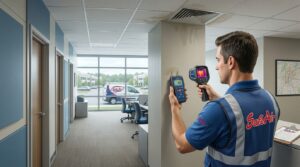
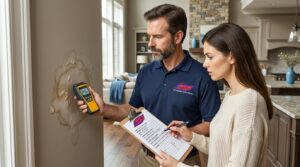
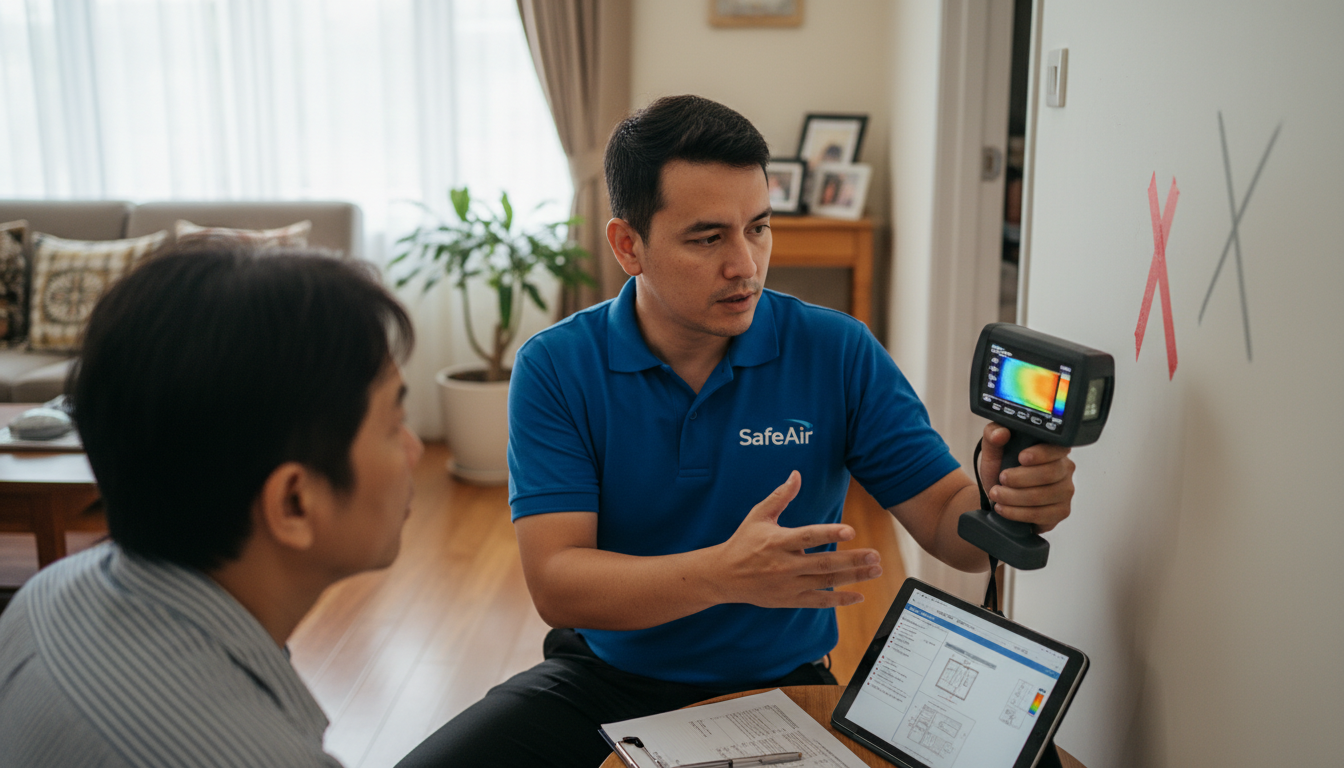
Improving indoor conditions supports overall health. A professional mold inspection helps identify mold growth, excess moisture, and hidden problems that harm indoor air quality.
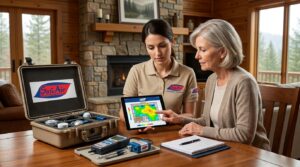
SafeAir Certified Mold Inspection Inc. provides detailed mold inspection and testing to locate visible mold, hidden damp areas, and conditions that promote mold growth. We offer clear recommendations to help prevent mold growth and reduce exposure. Professional air samples detect airborne mold spores throughout your home, while surface samples identify specific mold species on walls, HVAC components, and other affected areas.
Serving families throughout North Carolina and Georgia, our certified inspectors provide comprehensive services in major cities including Charlotte and Raleigh, helping protect your family’s health and your property investment.
If you are concerned about mold exposure in your home, visit SafeAir Certified Mold Inspection Inc. or call 404-695-3610 to schedule a professional mold inspection and take action toward a healthier indoor environment.
Final Thoughts
Will UV kill mold? Yes. Ultraviolet light effectively kills mold and bacteria. But UV light works best as part of a complete approach addressing moisture sources. Southeast homes face constant humidity, especially during summer. UV air purification systems in HVAC units combined with humidity control, proper ventilation, and regular maintenance provide the best defense against mold growth.
The real solution to mold problems? Control moisture, maintain your HVAC system, use UV light as one protection layer, and work with professional mold inspection and remediation specialists. This creates a healthier living environment free from airborne contaminants.