
Mold Inspection Cary NC
Wake County’s rapid suburban build-out from former farmland created thousands of slab-on-grade homes across Amberly, Preston, and Carpenter. Those foundations carry moisture migration risks different from older Triangle markets. Shallow grading over compacted clay, seasonal humidity, and tropical storm runoff push moisture upward through slab seams and into wall cavities long before a homeowner notices anything. SafeAir’s lab-backed testing brings an independent, accredited benchmark to properties across Cary NC and the surrounding region.
SafeAir is inspection only, no remediation. We don’t sell cleanup, removal, or any restoration work that follows a positive finding. That structural separation eliminates the conflict of interest present in companies that both inspect and remediate. Our lab testing services across the Triangle give buyers, sellers, landlords, and tenants an independent record without the conflict of interest built into firms that profit from what they find.
Speak with a certified mold inspector at (404) 695-0673. Next-day appointments across the Triangle area.
24/7 EMERGENCY
RESPONSE
5 STAR CUSTOMER
SERVICE
REQUEST A FREE PHONE CONSULTATION
Why Cary Homes Are Especially Prone to Mold
Clay-heavy soil beneath slab-on-grade foundations holds moisture longer than sandy soils, and the Triangle’s humid summers give that moisture nowhere to go. The result is sustained wet-out inside wall assemblies, conditions that support biological activity within 24 to 48 hours.
Triangle clay soil and slow drainage
Moisture migrates upward through slab seams and into framing cavities in patterns a building assessment can detect long before staining appears. Rim joists and bottom plates show elevated readings first. In subdivisions built on former farmland (Preston, Amberly, Carpenter), shallow grading directs surface runoff toward foundations instead of away from them.
Tropical storm runoff and Triangle humidity
Atlantic tropical systems push sustained rain across the Triangle. Clay soil saturates, foundation drainage backs up, and slab-edge seams in newer construction take stress while vented subfloors beneath older bungalows flood out. The EPA’s introduction to mold documents why sustained wet-out conditions produce reliable fungal growth. Water damage events following named storms are the most common reason a Triangle job ends in a contractor referral, work SafeAir refers out without performing.

Our Mold Testing Process

Every job follows the same documented sequence, producing a written report backed by accredited-lab data suitable for a contractor, attorney, or buyer’s agent.
Visual survey and intake
The inspector catalogs visible staining, prior repairs, and occupant-reported symptoms during an intake interview. Moisture readings are logged behind drywall, beneath flooring, and across ceiling cavities. Thermal imaging reveals cool wet patches behind finished surfaces. HVAC condensate lines and vented subfloors produce the most concentrated evidence per minute of inspection time. A building survey documents every suspect area before sampling begins.
Mold assessment and sample collection
A SafeAir mold assessment relies on air, surface, and bulk samples shipped same-day to accredited third-party labs. Every indoor reading pairs with an outdoor baseline collected the same day, separating real contamination from ambient flora. You receive a PDF with photos, lab data, genus-level mold spores counts, and a scope summary. Standard turnaround is 2-3 business days for air samples; tape lifts return in three hours.
Sampling Methods We Use
We pick the method that answers your specific question, whether that’s air quality, surface growth, material salvageability, or long-term particulate accumulation. All samples ship same-day to accredited labs.
Spore trap air samples and surface collection
Calibrated cassettes draw indoor air for spore trap analysis, paired with an outdoor control collected the same day. Surface sampling via tape lift confirms active growth in three hours. Bulk sampling of damaged drywall answers whether material is salvageable. Dust analysis reads settled particulates for a long-term record, useful where current air reads clean despite chronic complaints. Post-cleanup clearance testing verifies conditions have returned to normal after the cleanup phase is complete.
Where Mold Hides in Triangle-Area Homes
Active growth inside concealed assemblies requires a systematic walkthrough. Triangle housing spans older bungalows and post-2000 slab-on-grade subdivisions built over former farmland, each with its own building and climate risks.
Vented subfloors and HVAC systems
Vented subfloors beneath older housing stock accumulate vapor-barrier failures, standing water, and joist staining homeowners never see. Cooling coils and drip pans are condensation points; one slow leak spreads fungal particles through every room. Surface sampling on HVAC components finds Aspergillus and Penicillium that a visual walk alone misses. Contaminated ductwork spreads airborne spores throughout the structure, turning a localized vented subfloor issue into a whole-house air quality problem.
Slab-on-grade new construction and shallow grading
Subdivisions built across former farmland (Amberly, Preston, Carpenter) sit on slab-on-grade foundations over clay soil with shallow grading. Moisture migrates upward through slab seams into framing members before it’s visible at the surface. Many new-construction homes develop a mold infestation 2-3 years after move-in once seasonal humidity cycles expose failure points. Air quality testing establishes a baseline for any post-cleanup comparison.

Indoor Air Quality Testing for Cary Properties
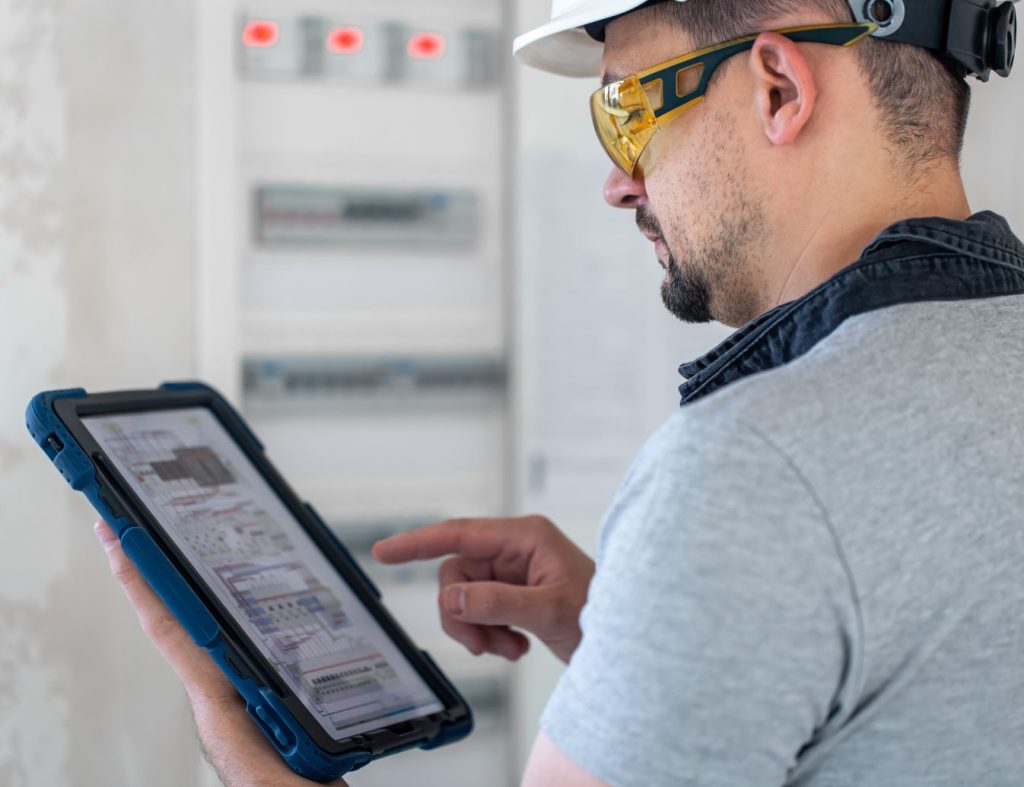
When occupants report musty odors or health symptoms but no visible growth appears on surfaces, in-home air quality testing delivers the answer a walkthrough cannot. Sampling gives you genus-level data and a re-testable baseline for post-cleanup comparison. For background on health signals, see our resource on warning signs of mold toxicity.
Mold genera identified in lab analysis
Common Triangle-area findings in Cary homes include Aspergillus and Penicillium, linked to wet cellulose in slab-foundation homes with vapor intrusion. Stachybotrys chartarum shows up where slow slab-edge leaks have continued over multiple seasons. Cladosporium is frequently detected in HVAC ductwork. Genus identification matters because health protocols and cleanup approaches differ by fungal type; lab data from spore trap samples is the only way to know what you’re dealing with. Call (404) 695-0673 to schedule in-home testing.
Commercial Lab Work for Larger Properties
Commercial properties carry the same climate and construction risk as residential buildings, often at greater scale. Large HVAC systems serving open-plan office floors create extensive condensation surfaces, and water damage events frequently go unreported across multiple tenant cycles, leaving residential mold or hidden fungal growth inside walls and above drop ceilings.
Corporate campuses and healthcare facilities
The SAS Institute campus corridor houses thousands of employees in facilities where indoor air quality directly affects productivity. A documented air quality inspection gives facilities managers an independent, accredited baseline, distinct from a vendor survey that also sells follow-up services. The WakeMed campus and surrounding outpatient facilities hold a strict indoor air standard. Surface sampling and bulk material analysis provide genus-level documentation compliance teams need. SafeAir delivers a written report; independent contractors handle any work that follows.
Mold Inspections for Real Estate Transactions
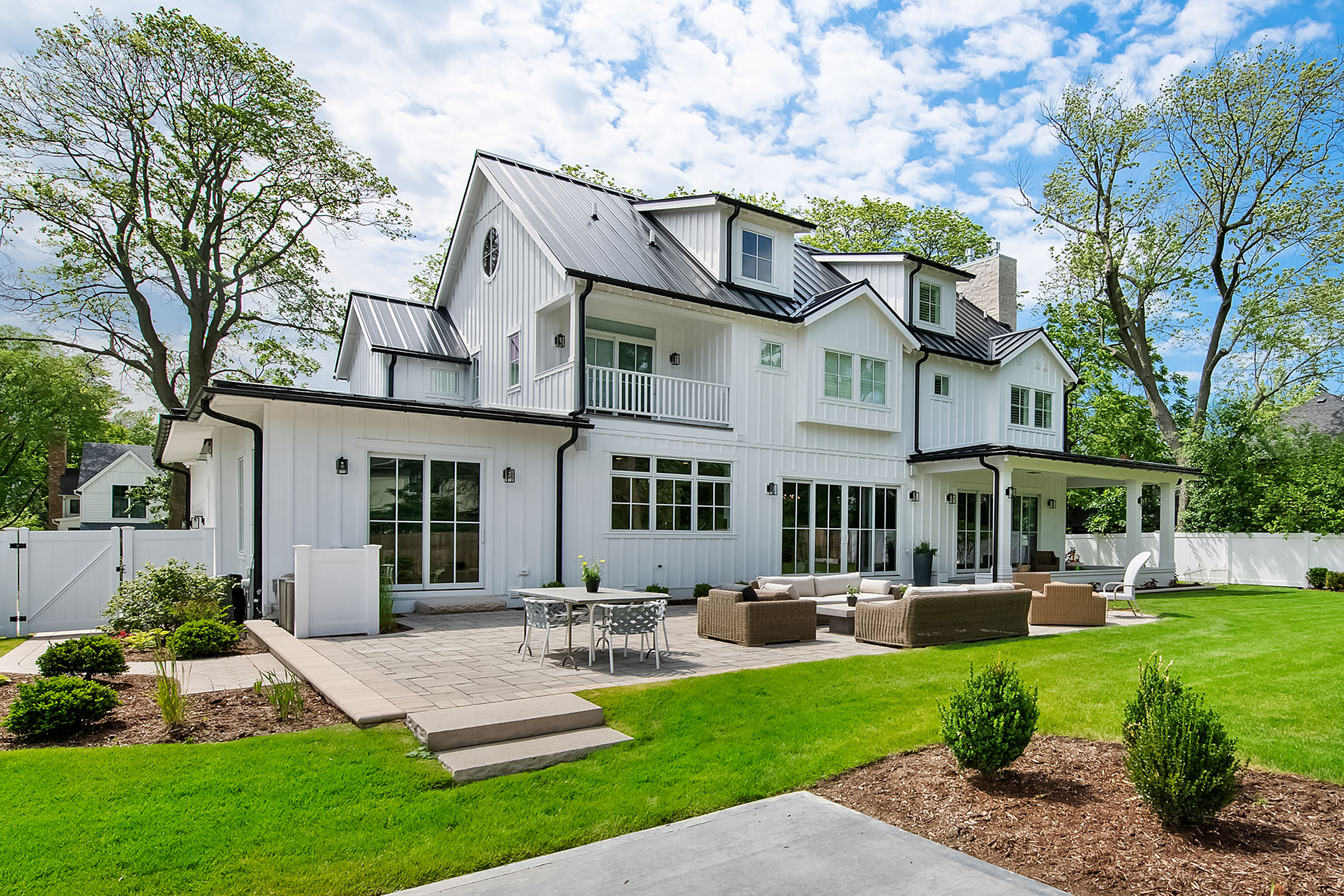
SafeAir prioritizes real estate jobs with same-day sampling when closings are at risk. Concealed moisture damage is among the most commonly undisclosed defects in Triangle transactions, particularly in newer slab-on-grade construction where slow leaks stay hidden through multiple listing cycles.
Pre-purchase due diligence and disclosure obligations
Buyers get an accredited-lab-backed record before contingency deadlines expire. Slab-foundation homes in newer Triangle subdivisions show moisture migration patterns that standard home inspections miss. The NC Residential Property Disclosure Act requires sellers to disclose known defects, so a documented finding creates that disclosure obligation. Bulk sampling and dust analysis provide the record a closing attorney needs. SafeAir’s inspection-only positioning means findings are never influenced by a downstream cleanup sale. Clearance testing is available when the cleanup phase is completed before closing.

What Sets SafeAir Apart
SafeAir’s lab-backed reports hold up under scrutiny because of a structural choice maintained since 2009.

Inspection-only positioning and founder credentials
No financial incentive to inflate findings
SafeAir is inspection only. No cleanup, no fixes, no follow-up that follows a finding. Refusing to profit from the outcome eliminates the conflict of interest. After delivering a written report with accredited-lab data, SafeAir refers clients to independent contractors for any work the report recommends. Jeremy Shelton, SafeAir’s founder and a Certified Microbial Consultant (ACAC), has spent over 15 years inspecting homes across Georgia and North Carolina. He started SafeAir in 2009 after his family was sickened by Aspergillus, Penicillium, and Stachybotrys in a vented subfloor.
Proven track record and rapid scheduling
SafeAir has earned 164+ five-star reviews since 2009. Next-day appointments are available for most Triangle properties. Air testing, spore trap sampling, bulk sampling, clearance testing, dust analysis, and surface samples are available across the region.
Areas We Serve Across the Triangle
Our inspectors cover the Triangle and surrounding communities from our NC service hub. Call (404) 695-0673 to confirm coverage for your property.
- Raleigh
- Charlotte
- Durham mold inspection
- Apex
- Morrisville
- Wake Forest
- Garner
- Knightdale