What Is Black Mold vs Toxic Black Mold?
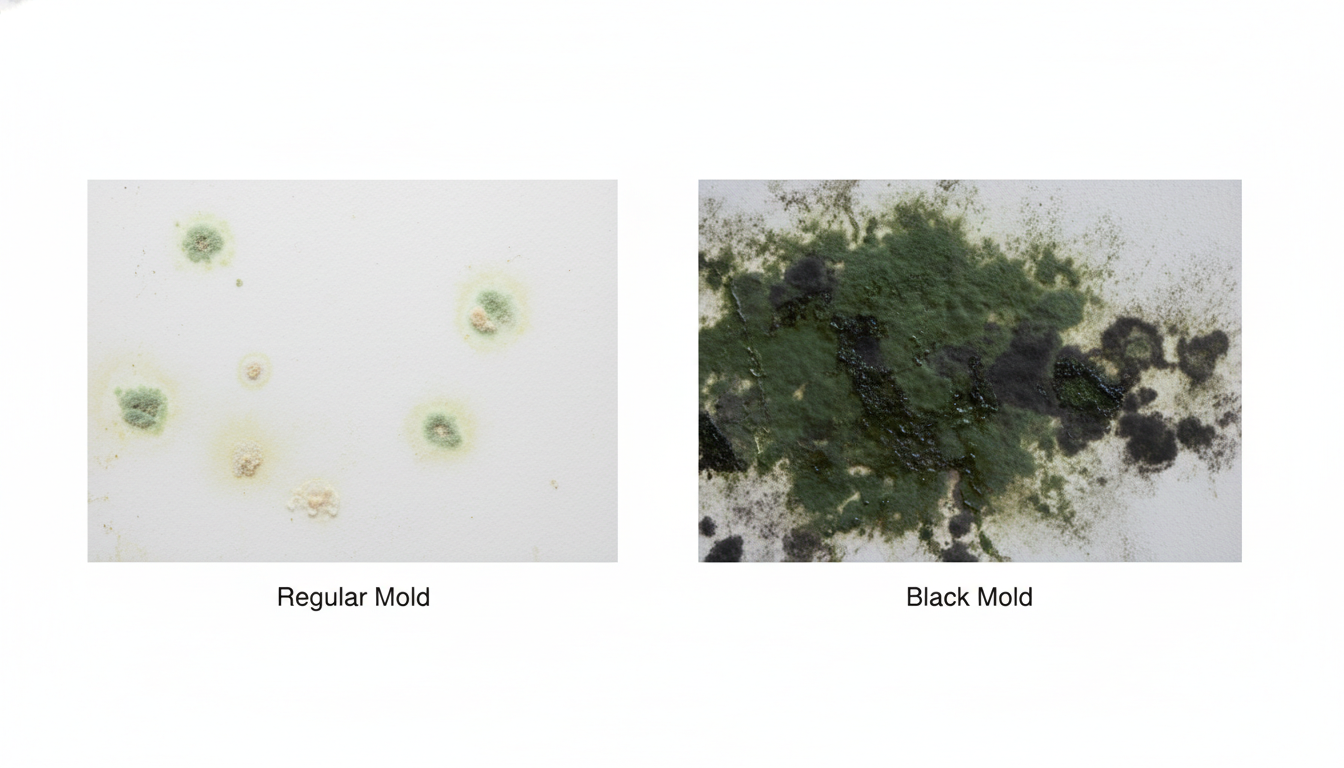
People use “black mold” to describe any mold that looks dark or black on surfaces in a home. “Toxic black mold” usually refers to a specific mold species called Stachybotrys chartarum, which is typically black or dark green and often slimy on wet building materials.
Key differences and health risks:
- Black mold is a visual description; many mold types and mold colors can look black.
- Toxic black mold (Stachybotrys chartarum) can produce mycotoxins that pose serious health risks, especially in water damaged buildings and with prolonged exposure.
- All indoor mold growth is a problem; indoor mold of any color can trigger mold allergies, allergic reactions, and other health problems.
You cannot confirm toxic black mold by color alone. Lab analysis is needed to confirm mold types and sometimes to understand health risks related to specific mold spores in the air or on surfaces.
How Mold Grows Indoors
Mold growth starts when mold spores land on damp surfaces and find a food source. Common indoor food sources include drywall paper, wood, ceiling tiles, cardboard, and other porous materials.
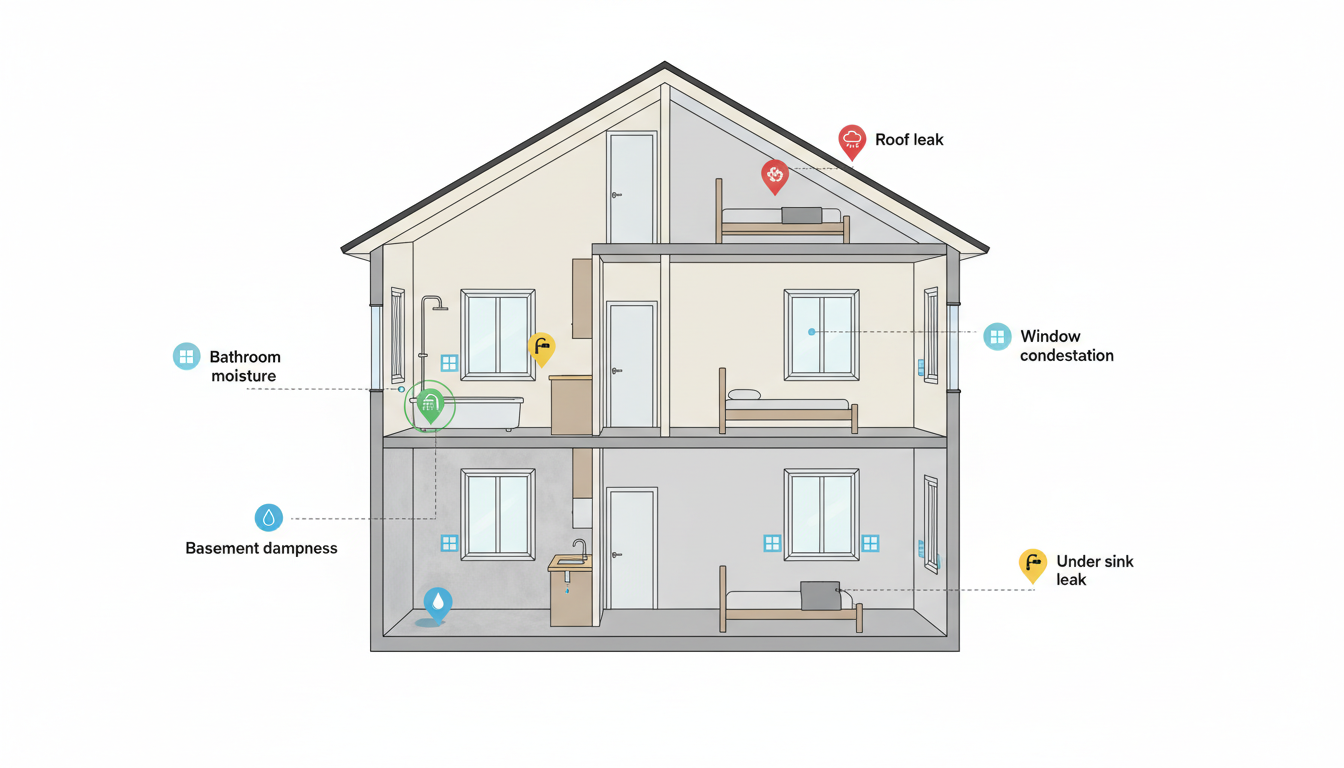
Indoor mold growth and toxic black mold commonly appears in:
- Water damaged walls and ceilings
- Areas with past water leaks or a leaky pipe
- Damp areas like basements and crawlspaces
- Bathrooms, laundry rooms, and kitchens with high humidity levels and poor exhaust fans or air conditioning use
Moisture is the main driver:
- High indoor humidity or high humidity from cooking, showers, or poor ventilation
- Water leaks from roofs, plumbing, or appliances
- Flooding and standing water
- Condensation on windows, concrete, or cold surfaces in damp environments
Mold grows quickly. If a surface stays damp for more than 24–48 hours, you can see new growth. If moisture continues, the growth pattern spreads, penetrates deeper into materials, and can cause structural damage over time.
What Does Toxic Black Mold Look Like?
Toxic black mold (Stachybotrys chartarum) is typically black or dark green and often has a slimy or wet texture when active. It commonly appears:
- In patches that look like soot or tar
- On water damaged drywall, wood framing, insulation, and paper products
- In areas with prolonged moisture, such as behind walls with water leaks or flood-damaged materials
Other signs include:
- A strong musty smell near the affected area
- Staining that keeps growing or returning after light cleaning
- Damp areas where mold grows back quickly after surface cleaning
Many indoor mold types and fungi can look black. Visual inspection helps identify indoor mold growth, but lab testing is the only way to confirm specific mold types.
Health Risks and Symptoms of Mold Exposure
Mold exposure in a home can lead to a wide range of health concerns and health issues. These health effects vary from mild to serious health risks depending on the person, the amount of indoor mold, and the length of exposure.
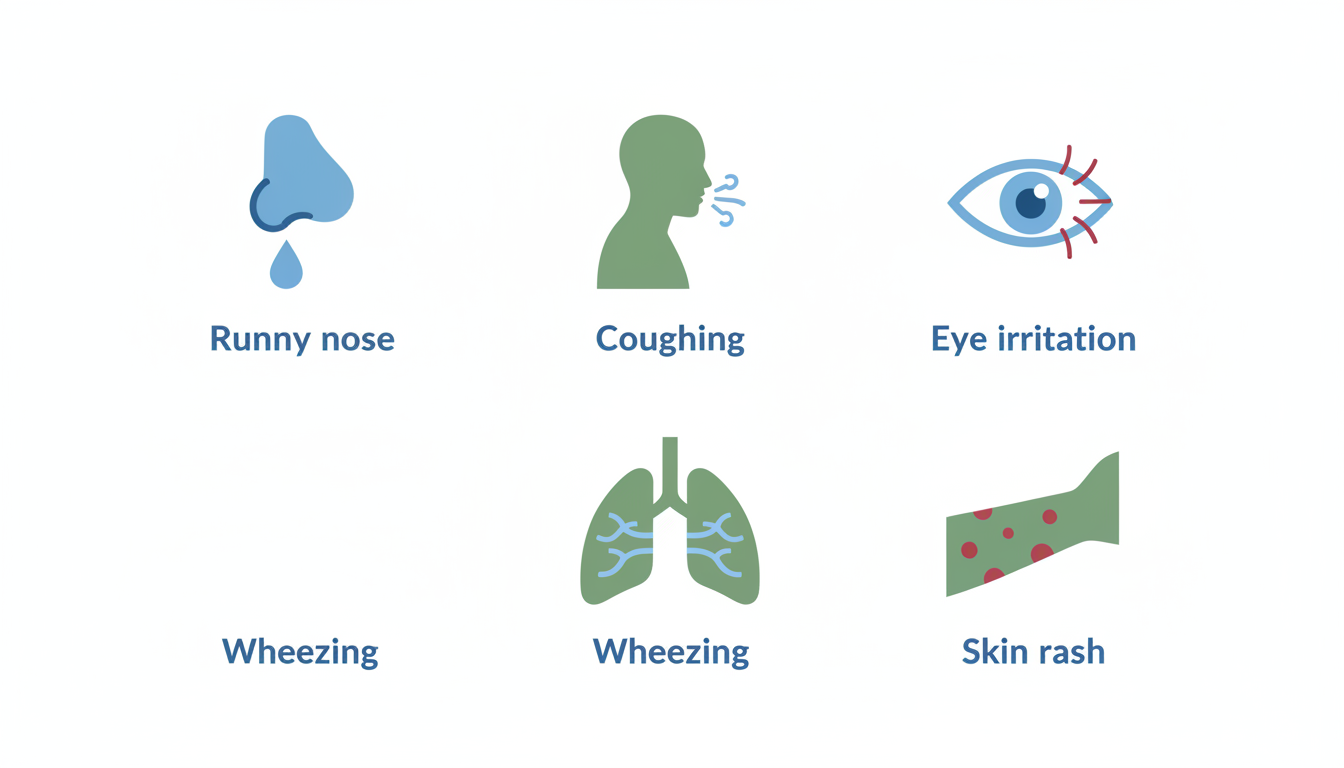
Common symptoms and health problems linked to indoor mold exposure include:
- Runny nose or stuffy nose
- Sneezing and coughing
- Eye irritation, burning eyes, or watery eyes
- Throat irritation and post-nasal drip
- Respiratory symptoms such as wheezing, shortness of breath, and chest tightness
- Mold allergies and allergic reactions, including skin rashes or hives
- Worsening asthma and breathing issues in sensitive people
In more serious situations, mold exposure and prolonged exposure in very damp, moldy buildings have been associated with:
- Chronic sinus infections and respiratory problems
- More severe fungal infections in people with a weakened immune system
- Rare but serious conditions such as pulmonary hemorrhage in infants in heavily water damaged environments reported in some studies
High-risk groups include:
- Children and infants
- Older adults
- People with asthma or other lung disease
- People with mold allergies or other allergies
- Anyone with a weakened immune system due to illness or medical treatment
If you notice symptoms that improve when you leave the building and return when you come home, that pattern is a strong clue that indoor mold in your home or apartment might be involved.
Mold Exposure, Memory, and Long-Term Health
People often ask if mold exposure can cause memory loss or more subtle health problems. Some research and case reports suggest that chronic exposure to high levels of certain mold types and mycotoxins may be linked to neurological symptoms, fatigue, and cognitive impacts in some individuals.
Not every case of memory loss or brain fog is due to mold. Indoor mold growth is a reasonable concern if you live in a damp environment, notice a musty smell, and have other mold-related symptoms, especially in the presence of toxic black mold and water damaged buildings.
Mold vs Mildew vs Black Mold: Key Differences
To make things clear, here is a simple view of mold vs mildew vs black mold:
- Mildew: A surface-level fungus that usually shows as light gray or white growth on hard surfaces. It often appears in showers, on bathroom tile, and around windows. It still signals moisture problems but usually stays more superficial.
- Mold: A broad term for many fungi that grow on building materials and in damp areas. Mold grows in many colors and can penetrate porous materials such as drywall, insulation, and wood.
- Black mold: Mold that appears dark green or black, including toxic black mold like Stachybotrys chartarum. These molds often grow on wet cellulose materials in water damaged structures.
The key differences for your health:
- All types of indoor mold and mildew can trigger symptoms and health concerns.
- Toxic black mold can produce mycotoxins that may increase health risks in some settings.
- The most important factor is indoor mold growth and moisture, not just the exact color of the fungus.
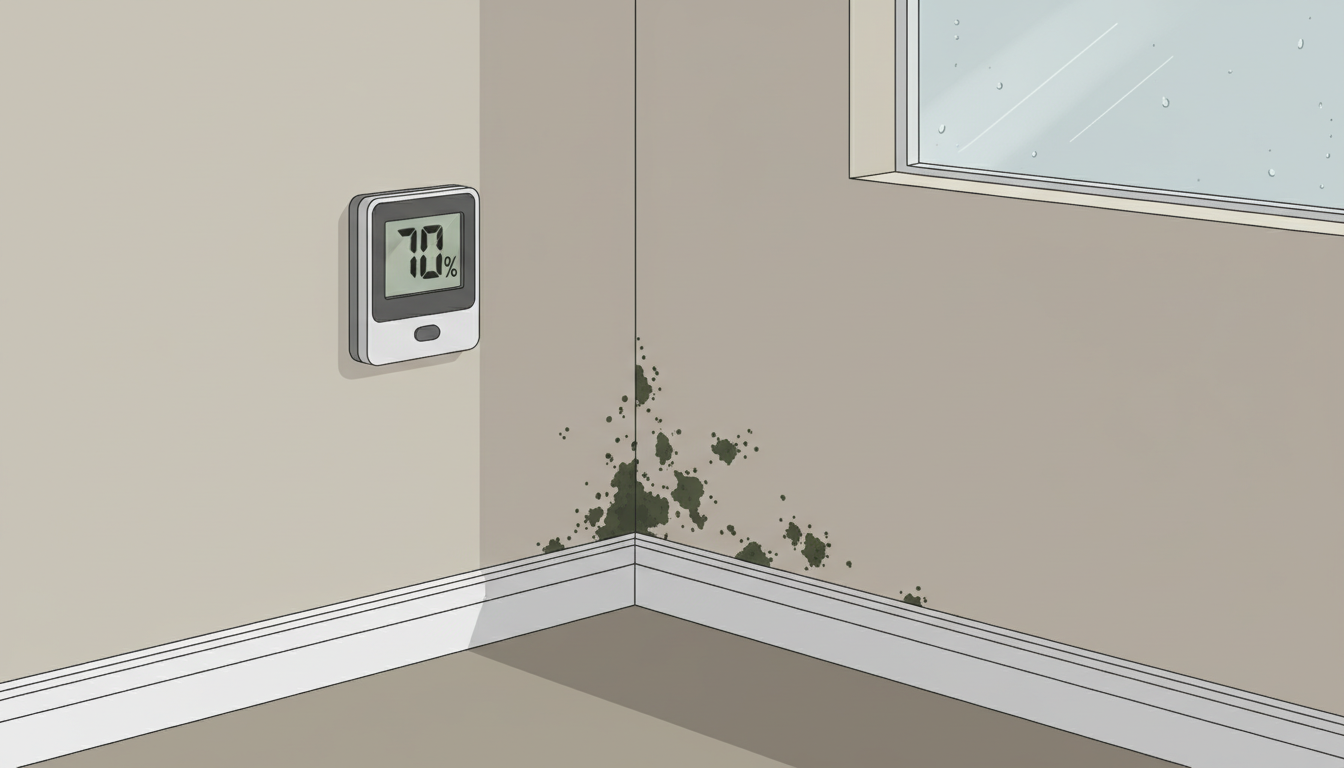
Mold Prevention Tips for Your Home or Apartment
Preventing indoor mold growth is easier and safer than dealing with a large mold problem later. Here are practical mold prevention tips:
- Control indoor humidity: Keep indoor humidity levels roughly between 30–50% when possible.
- Improve ventilation: Use exhaust fans in bathrooms and kitchens during and after showers and cooking. Run air conditioners or dehumidifiers in damp areas.
- Fix water leaks quickly: Repair roof leaks, plumbing leaks, and appliance leaks right away. Dry water damaged materials within 24–48 hours whenever possible.
- Watch for condensation: Insulate cold surfaces and improve airflow around windows and exterior walls.
- Check hidden areas: Look under sinks, inside cabinets, around air conditioning equipment, near ceiling tiles, and in basements for signs of moisture or mold growth.
These simple tips reduce the chance that mold grows on building materials and help you avoid serious mold in your home.

Can You Safely Remove Mold Yourself?
Whether you can safely remove mold depends on the size of the problem, the materials involved, and your health status.
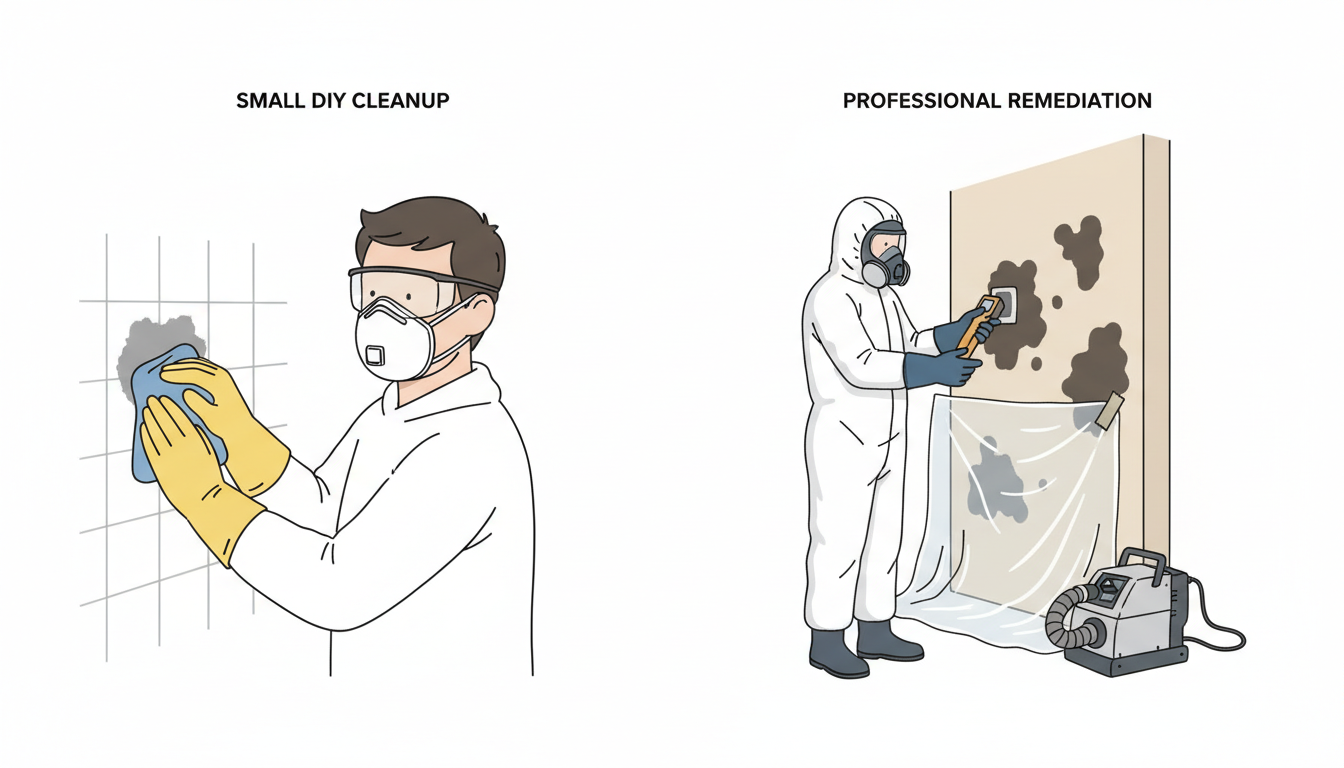
DIY mold removal may be reasonable for:
- Small spots of mold on hard surfaces like tile, metal, or glass
- Light mildew around a shower or window frame
If you remove mold yourself:
- Wear basic protective gear such as gloves, eye protection, and at least a good quality disposable respirator.
- Avoid dry brushing or aggressive scrubbing that sends mold spores into the air.
- Use damp cleaning methods and dispose of used towels or wipes in sealed bags.
- Fix the moisture source or humidity problem so the mold does not return.
Call a professional for mold removal and assessment if:
- You see large areas of mold growth (more than about 10 square feet).
- Mold is growing on or inside porous materials like drywall, insulation, framing, or ceiling tiles.
- The building has been heavily water damaged or flooded.
- You, or someone in the home, has significant mold allergies, respiratory symptoms, or a weakened immune system.
Professional remediation uses containment, air filtration, controlled removal of damaged materials, and detailed cleaning to safely remove mold and reduce health risks.
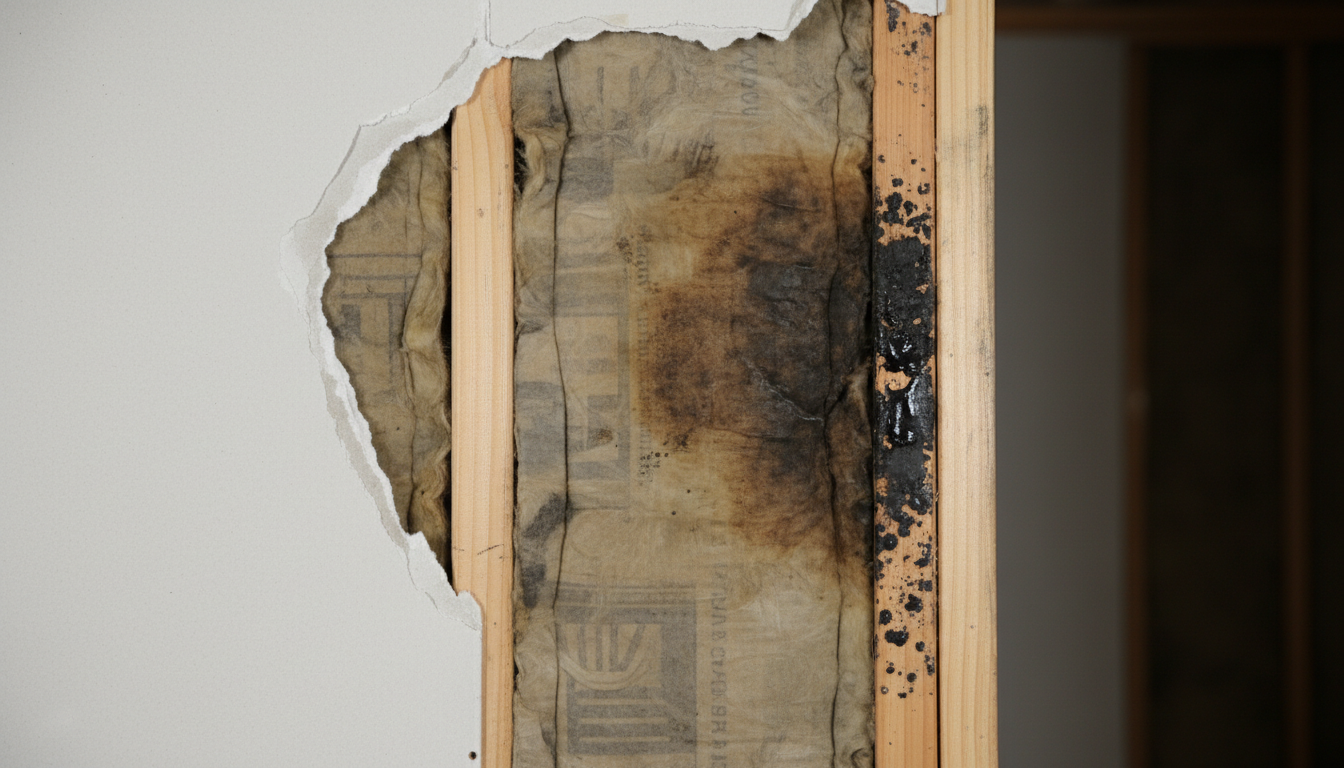
Mold Exposure and Your Immune System
Your immune system reacts to mold spores and fragments as foreign particles. For some people, this causes mold allergies and common symptoms like sneezing, runny nose, stuffy nose, and eye irritation.
In people with a weakened immune system, exposure to heavy mold growth or toxic black mold may lead to more severe infections or health effects. This is why indoor mold growth in a home with infants, elderly adults, or immunocompromised residents is a serious concern.
If you have ongoing respiratory symptoms, sinus infections, or other health issues that improve when you leave a damp, musty home, you should discuss mold exposure with your healthcare provider and consider professional mold testing.
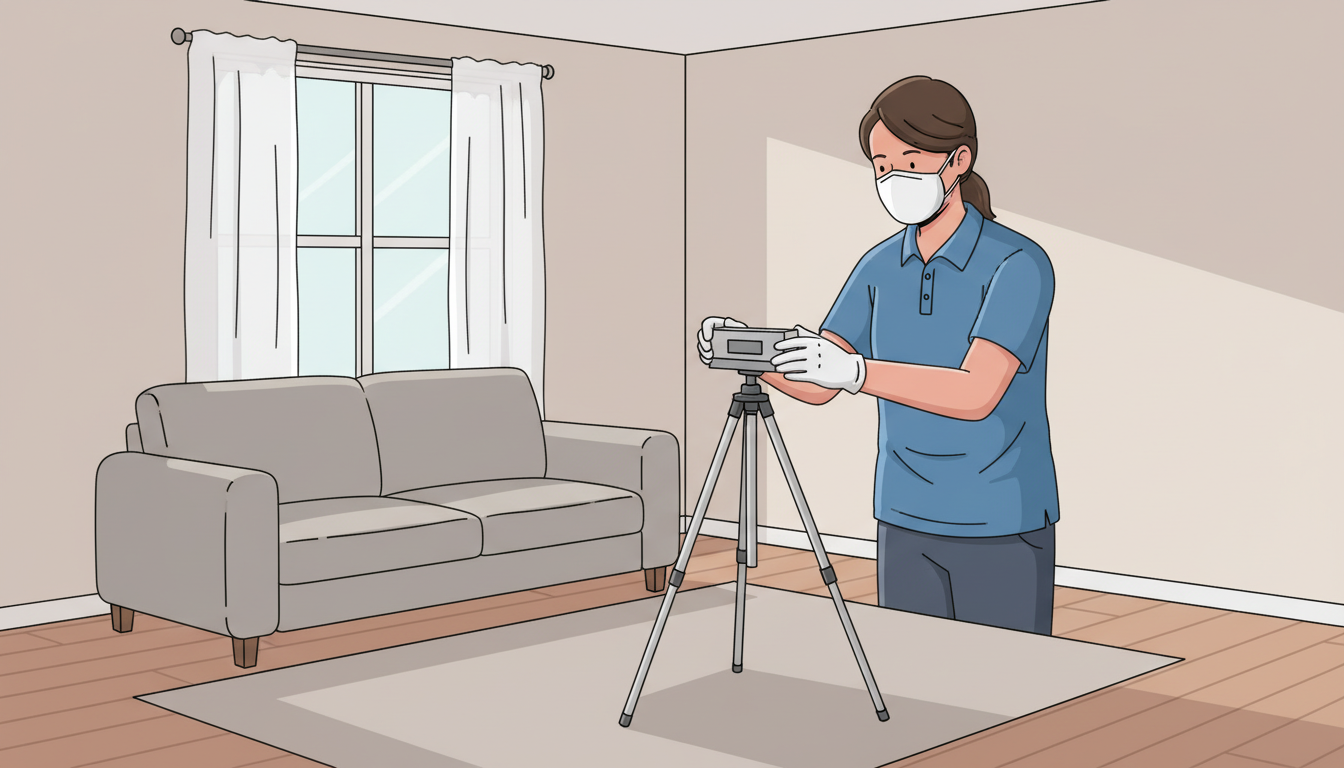
How SafeAir Mold Testing Helps You Address Mold
At SafeAir Mold Testing, our goal is simple: give you clear information about mold in your home so you can make safe decisions.
Our inspections and testing help you:
- Identify indoor mold growth and moisture sources
- Understand mold types present, including black mold and toxic black mold like Stachybotrys chartarum
- Evaluate health risks and health concerns related to mold exposure in your specific home
- Develop a practical plan to remove mold, correct moisture, and prevent future indoor mold problems
We do not perform mold removal ourselves, which means our only job is to give you honest, unbiased information and a clear protocol that a remediation company can follow.
If you think you have black mold vs regular mold, see signs of mold and mildew, or you are worried that mold in your home is affecting your health, contact SafeAir Mold Testing. We can inspect, test, and explain exactly what is happening in your air and on your materials, so you can safely move forward.