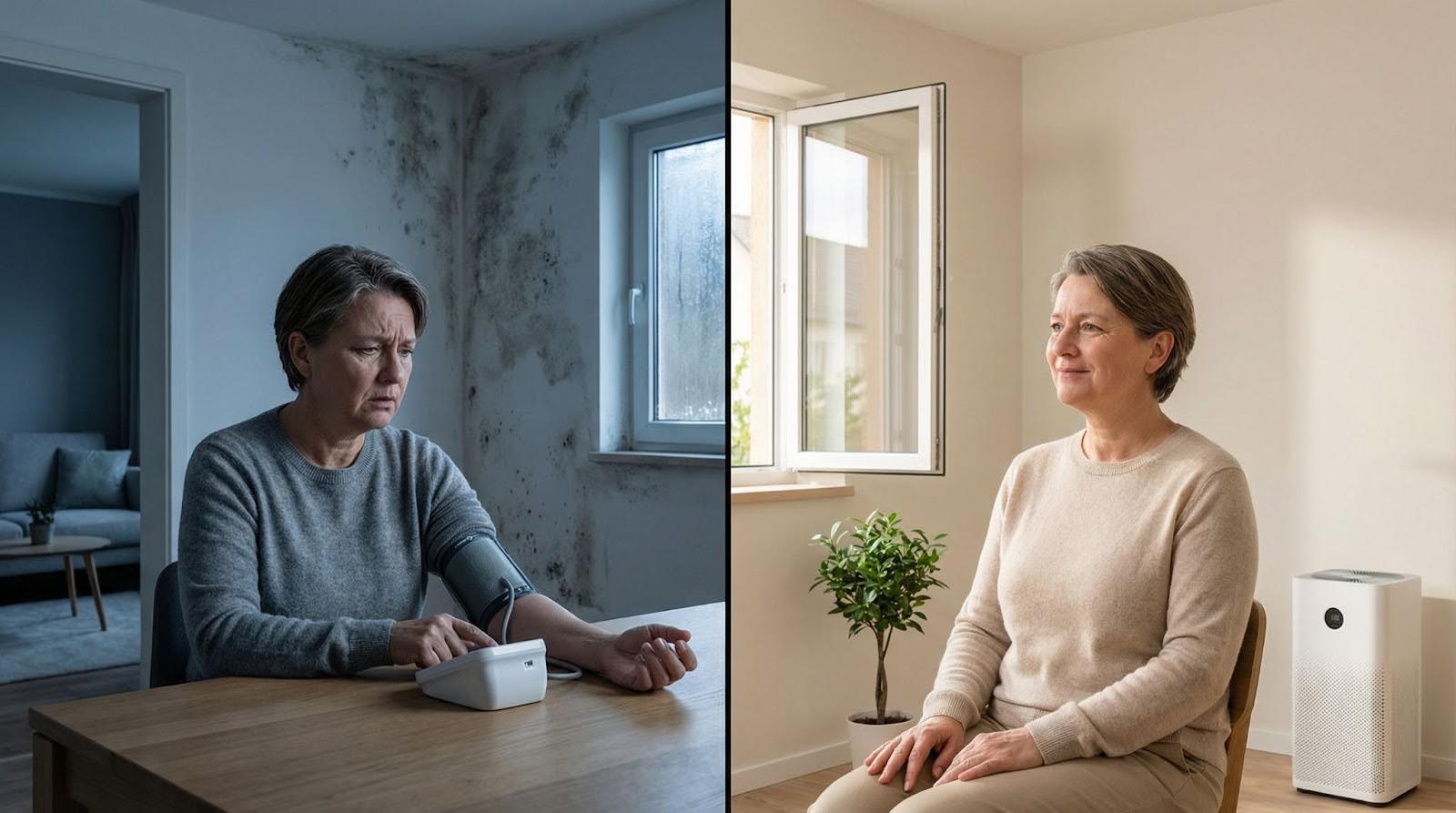
Understanding High Blood Pressure
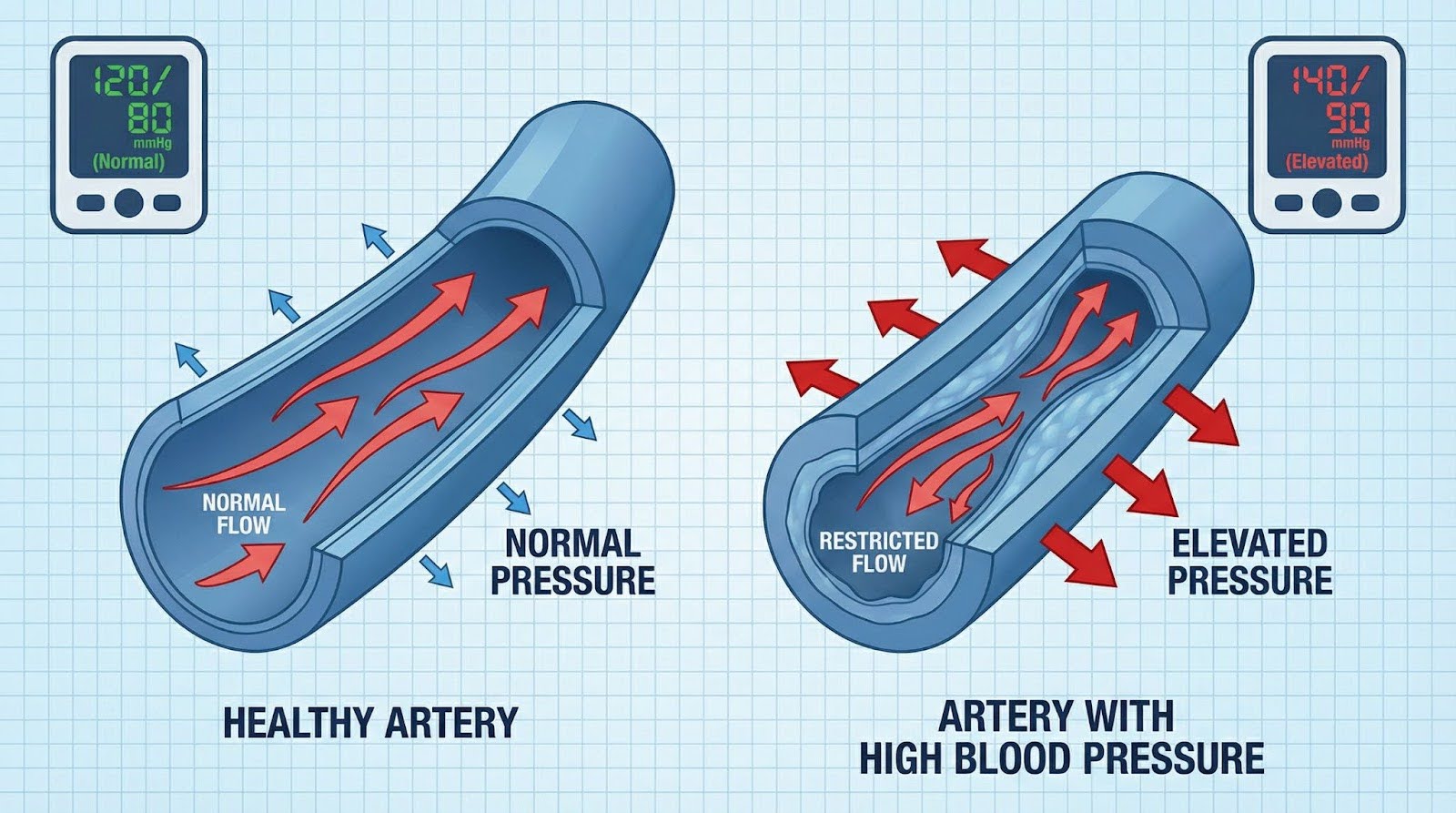
High blood pressure occurs when the force of blood against artery walls stays too high over time, which can damage blood vessels and strain the cardiovascular system, increasing the risk of heart disease, stroke, and kidney problems. Blood pressure regulation involves the heart, blood vessels, kidneys, nervous system, and hormones that help manage fluid balance and vessel tone.
Many influences can raise blood pressure, including genetics, excess body weight, high-sodium diets, smoking, physical inactivity, chronic stress, and certain health conditions. Chronic inflammation and ongoing stress can also affect blood vessels and the nervous system, which may contribute to hypertension in some individuals. Anyone concerned about blood pressure should work directly with a healthcare provider for evaluation and management.
Mold Exposure, Symptoms, and Inflammation

Indoor dampness and mold exposure are consistently associated with respiratory symptoms such as cough, wheeze, asthma symptoms, sinus infections, and other respiratory infections. Airborne mold spores and fragments can irritate the airways and trigger allergic reactions in susceptible people, leading to allergy symptoms like sneezing, nasal congestion, watery eyes, and skin rash or flare-ups. Professional surface sampling can identify specific mold species present in your environment.
Several studies suggest that living in moisture‑damaged or moldy buildings is associated with systemic low‑grade inflammation, indicated by higher levels of inflammatory markers in blood samples. Chronic inflammation is thought to play a role in cardiovascular disease and may affect blood vessels over time, although mold exposure is only one of many factors that can contribute to inflammation.
Mold Toxicity, Mycotoxin Exposure, and Health Issues
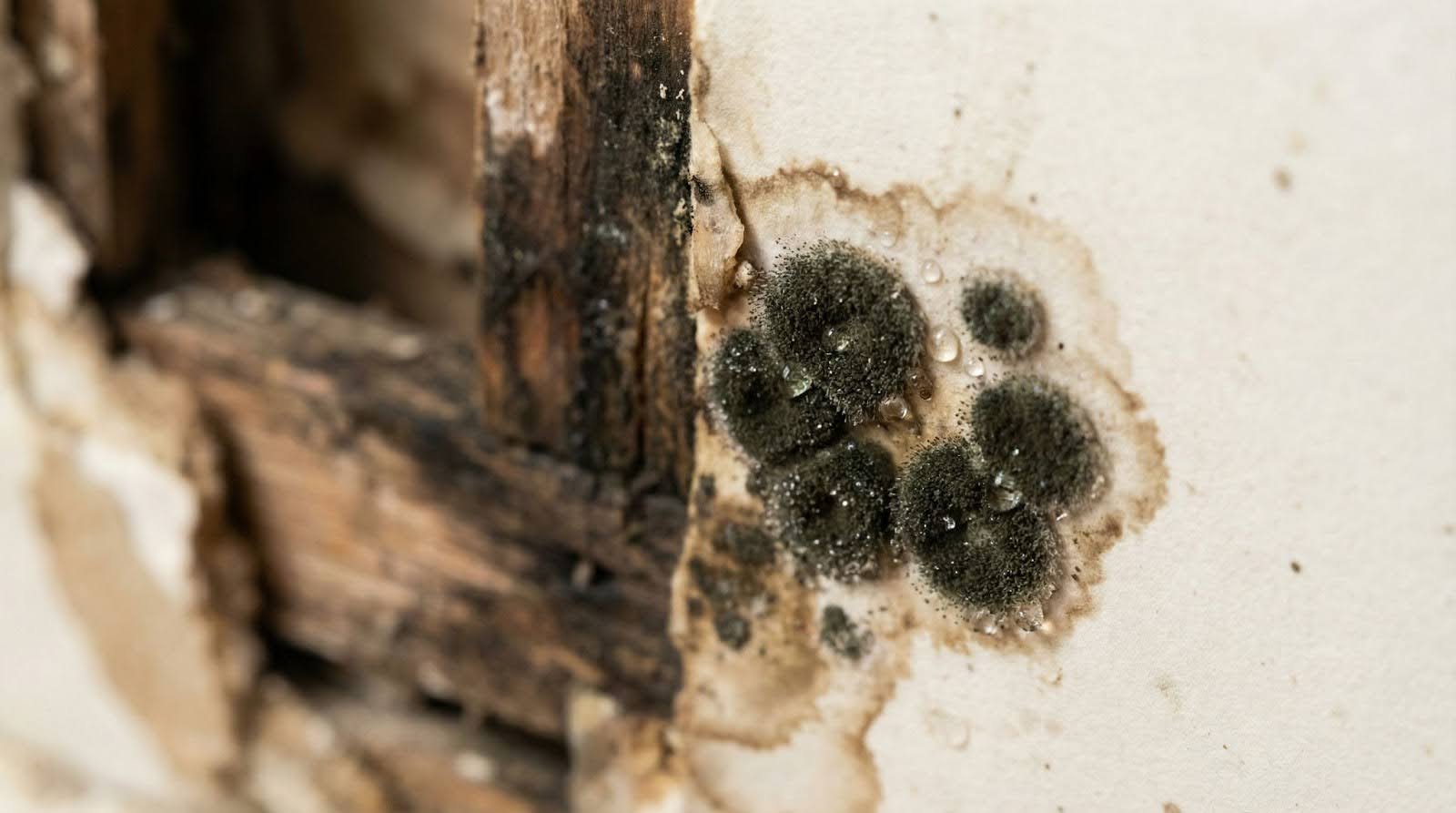
Some molds, including certain strains of Stachybotrys chartarum (often referred to as black mold), Aspergillus, and Penicillium, can produce mold mycotoxins under specific conditions. At higher levels, especially in occupational or heavily contaminated settings, mycotoxin exposure has been linked to respiratory conditions, immune changes, and, in rare situations, serious health problems such as hypersensitivity lung disease.
Reports of “mold toxicity” often describe physical symptoms like fatigue, headaches, body aches, brain fog, and respiratory symptoms, although symptom patterns vary widely from person to person. Most public health agencies emphasize that dampness and visible mold, regardless of the specific mold species, are key signs that indoor conditions can affect health and should be corrected.
Mold Allergy, Sensitivity, and the Immune System

A mold allergy develops when the immune system identifies mold spores or fragments as suspected allergens and produces specific antibodies (IgE), leading to allergic reactions when exposure occurs. Allergy symptoms can include sneezing, nasal congestion, itchy or watery eyes, cough, asthma symptoms, and sometimes skin reactions, and they may worsen during warm temperatures or seasons when outdoor spores are high.
Healthcare providers may use a skin prick test or blood test to evaluate for mold allergy, looking for a specific allergy profile to common molds. Some people experience mold sensitivity even without clear test results, reporting that symptoms develop or worsen in damp or moldy environments and improve when away. Reducing exposure to mold is a standard recommendation for managing these health issues, alongside any medical treatment a clinician advises.
Can Mold Raise Blood Pressure or Affect the Cardiovascular System?
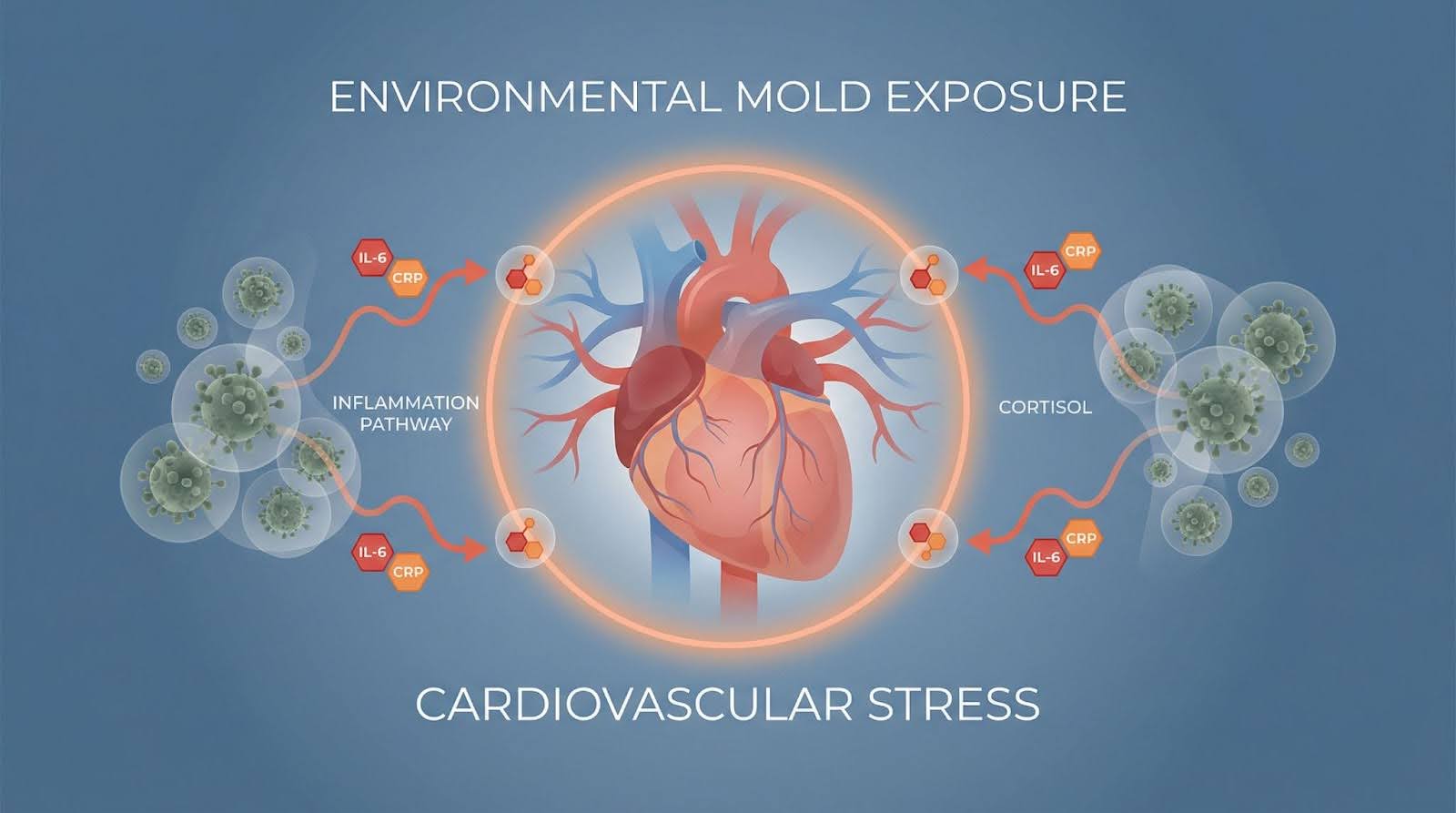
Research directly linking mold exposure to high blood pressure is limited, but some findings suggest possible indirect connections. Studies of moisture damage in homes show associations with systemic inflammation, which is one pathway that might influence cardiovascular health over time. Other work indicates that people living or working in damp, moldy environments often report more fatigue, sleep disturbance, and stress, which can also affect blood pressure and overall well being.
Some commentaries and case discussions propose that chronic mold exposure and mycotoxin exposure could contribute to cardiovascular issues in certain individuals, but these ideas are based on emerging or indirect evidence rather than large, definitive trials. Current public health guidance focuses on well‑established cardiovascular risk factors and views mold as one of several environmental stressors that may add to the overall load on the body, particularly in people with asthma, allergies, or a compromised immune system.
Preventing Mold Growth and Reducing Exposure

Preventing mold growth is an important way to protect respiratory health and reduce one potential source of chronic stress and inflammation. Key steps recommended by national and international health agencies include:
- Keeping indoor relative humidity generally below about 50–55 percent, using ventilation, air conditioning, dehumidifiers, and exhaust fans in bathrooms and kitchens.
- Repairing water leaks and addressing water damage promptly, drying wet materials within about 24–48 hours to limit mold growth on building materials.
- Monitoring areas with higher humidity level or past water leaks, such as basements, bathrooms, and around windows, for visible mold and musty odors.
To reduce exposure to mold spores inside, guidance often includes avoiding direct contact with visible mold, using gloves and other protection during any cleanup, and considering professional help when contamination is extensive or when vulnerable people are present. In some situations, air purifiers with appropriate filters can help reduce airborne particles as part of a broader indoor air quality testing strategy.
The Role of the Healthcare Provider

A healthcare provider is the right person to evaluate high blood pressure, cardiovascular risk, and health issues possibly related to mold exposure. Clinical recommendations emphasize a thorough history, including home and work environments, plus measurement of blood pressure and other appropriate tests to determine what might be contributing to symptoms.
Providers can help distinguish between symptoms related to allergies, asthma, sinus infections, or other health conditions, and can discuss steps to improve both medical management and environmental conditions. Anyone who suspects that mold exposure is affecting their health, especially in the presence of hypertension, asthma, or other serious health conditions, should bring these concerns to their healthcare provider for individualized advice.
How SafeAir Certified Mold Inspection Inc. Can Help
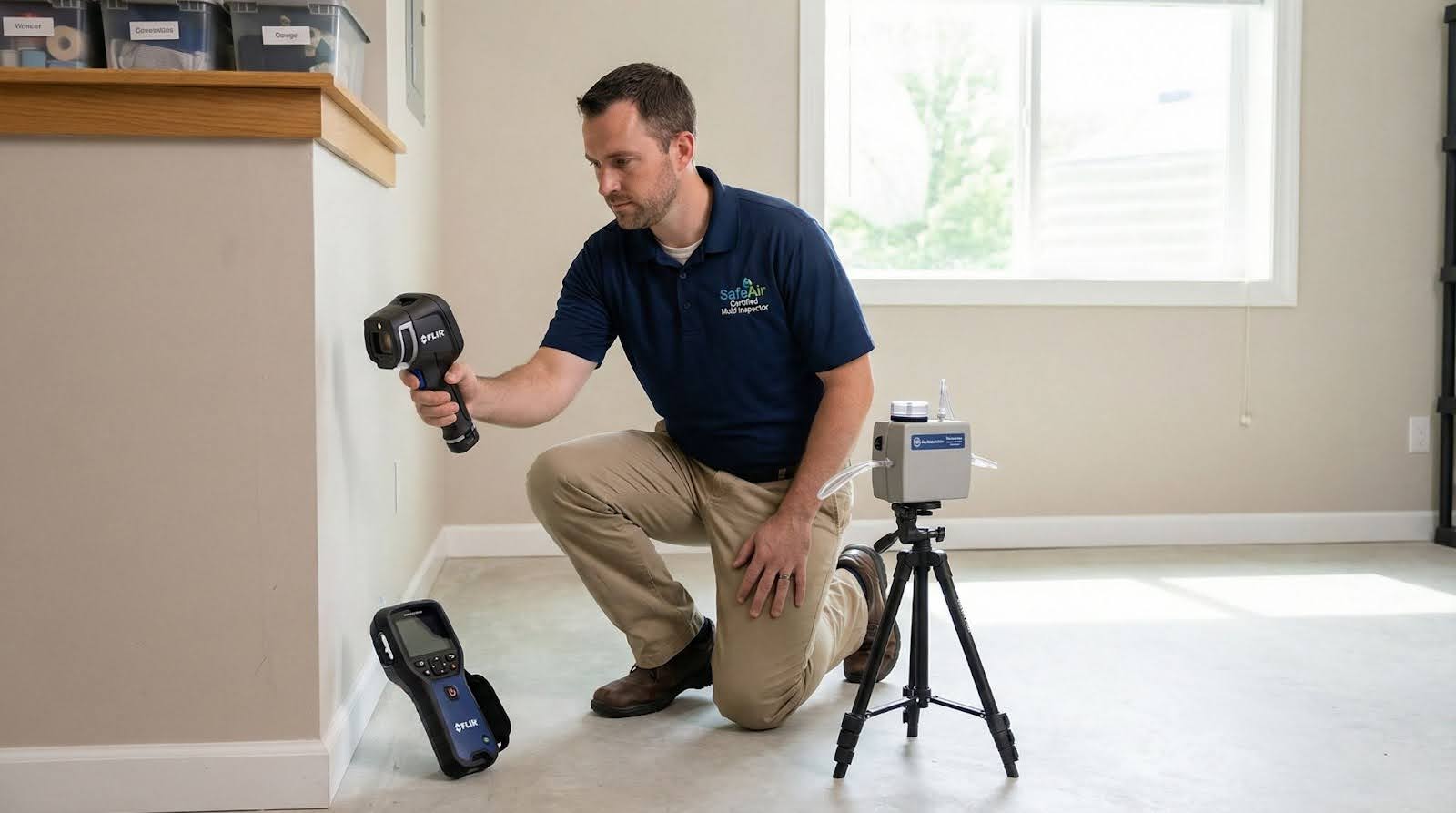
Improving indoor conditions is one practical way to support overall health, even though only a healthcare provider can diagnose or treat high blood pressure. A professional mold inspection can help identify mold growth, excess moisture, and hidden problems that contribute to poor indoor air quality and ongoing stress.
SafeAir Certified Mold Inspection Inc. provides detailed mold inspection and testing to locate visible mold, hidden damp areas, and conditions that promote mold growth, then offers clear recommendations to help prevent mold growth and reduce exposure. Following remediation work, our clearance testing services verify that mold has been successfully removed.
Serving families throughout North Carolina and Georgia our certified inspectors provide comprehensive services in major cities including Charlotte and Raleigh, helping protect your family’s health and your property investment.
If you are concerned about mold exposure in your home, visit SafeAir Certified Mold Inspection Inc. or call 404‑695‑3610 to schedule a professional mold inspection and take a proactive step toward a healthier indoor environment and overall health.