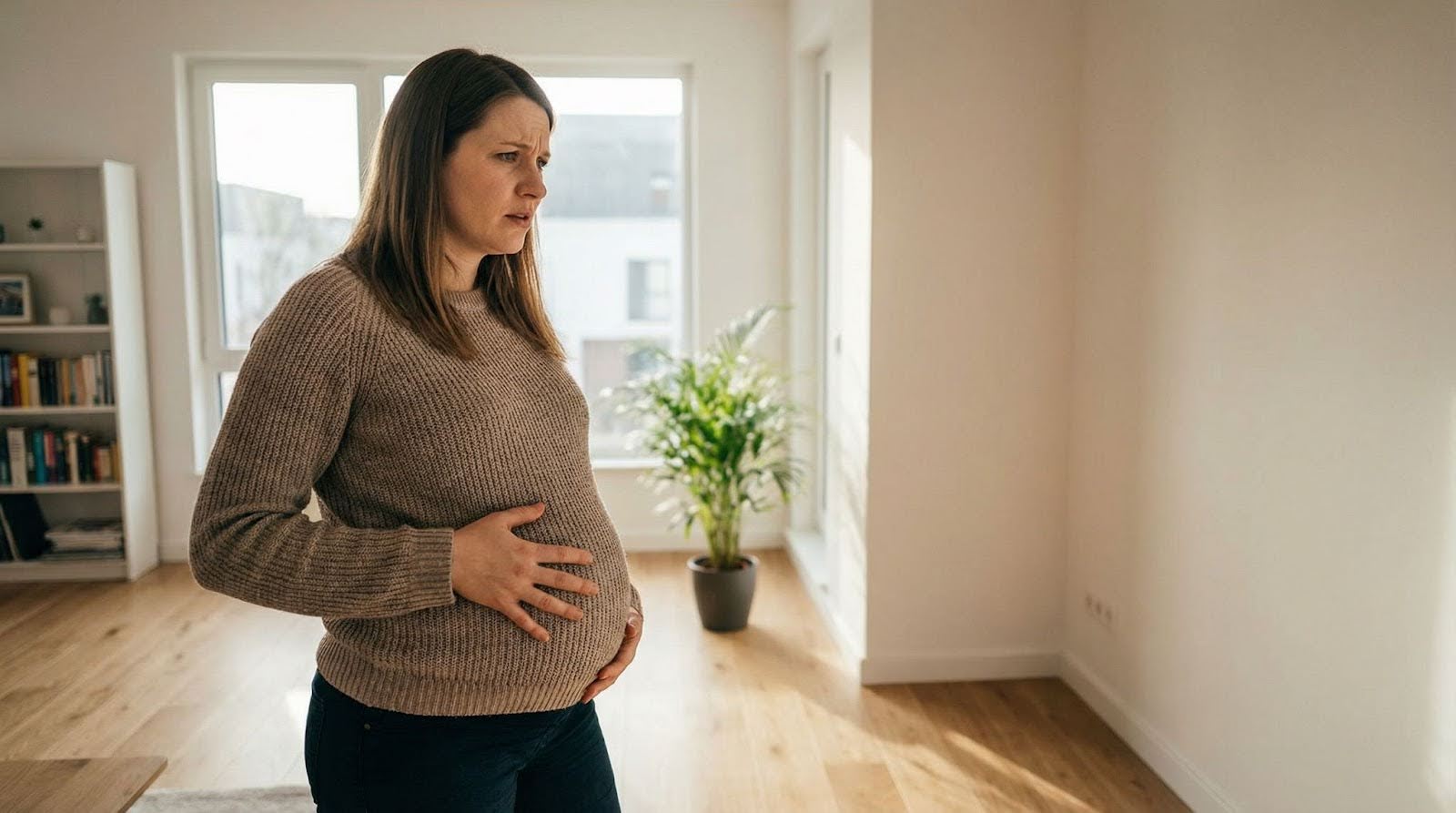
Black Mold Exposure and Stachybotrys Toxins
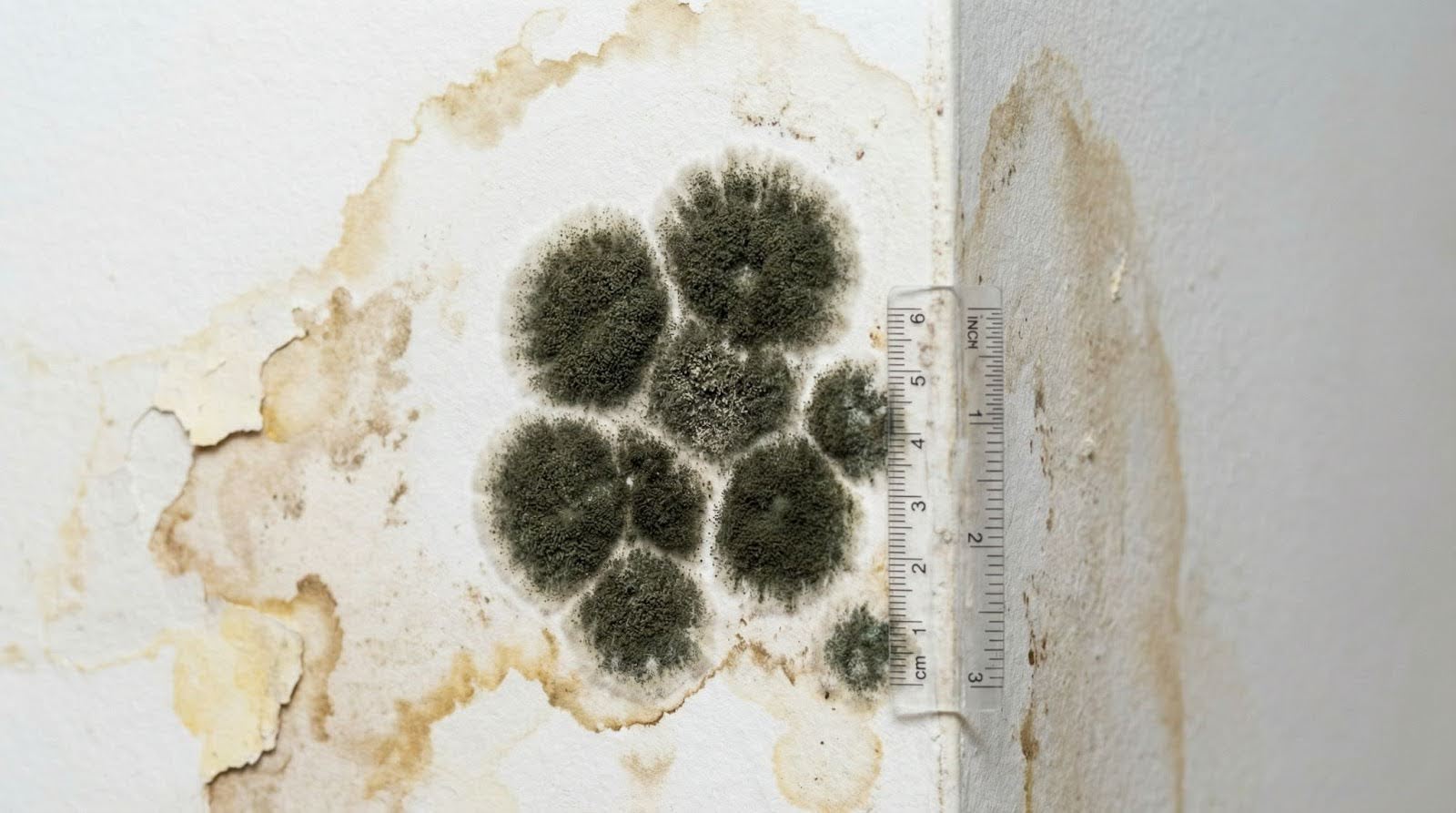
Black mold, especially greenish black mold known as Stachybotrys chartarum, can be found in humid environments and on materials that stay wet, such as drywall, paper, or ceiling tiles after water damage. Black mold exposure may involve breathing in spores or stachybotrys toxins, which are mold toxins that can irritate the lungs, skin, and eyes and may contribute to more serious health risks with high exposure over time.
Animal studies in pregnant mice and other models show that some mycotoxins can cross the placenta and affect fetal development, although low doses in everyday homes may not have the same effect as large quantities used in research. Human research suggests that prenatal exposure to certain mycotoxins is associated with low birth weight and other outcomes in babies, but birth defects are not clearly linked to typical household mold exposure. Still, any visible mold, especially black mold growth, is a reason to take action and evaluate hidden areas for a larger mold problem.
Indoor Mold, Mold Growth, and Moisture
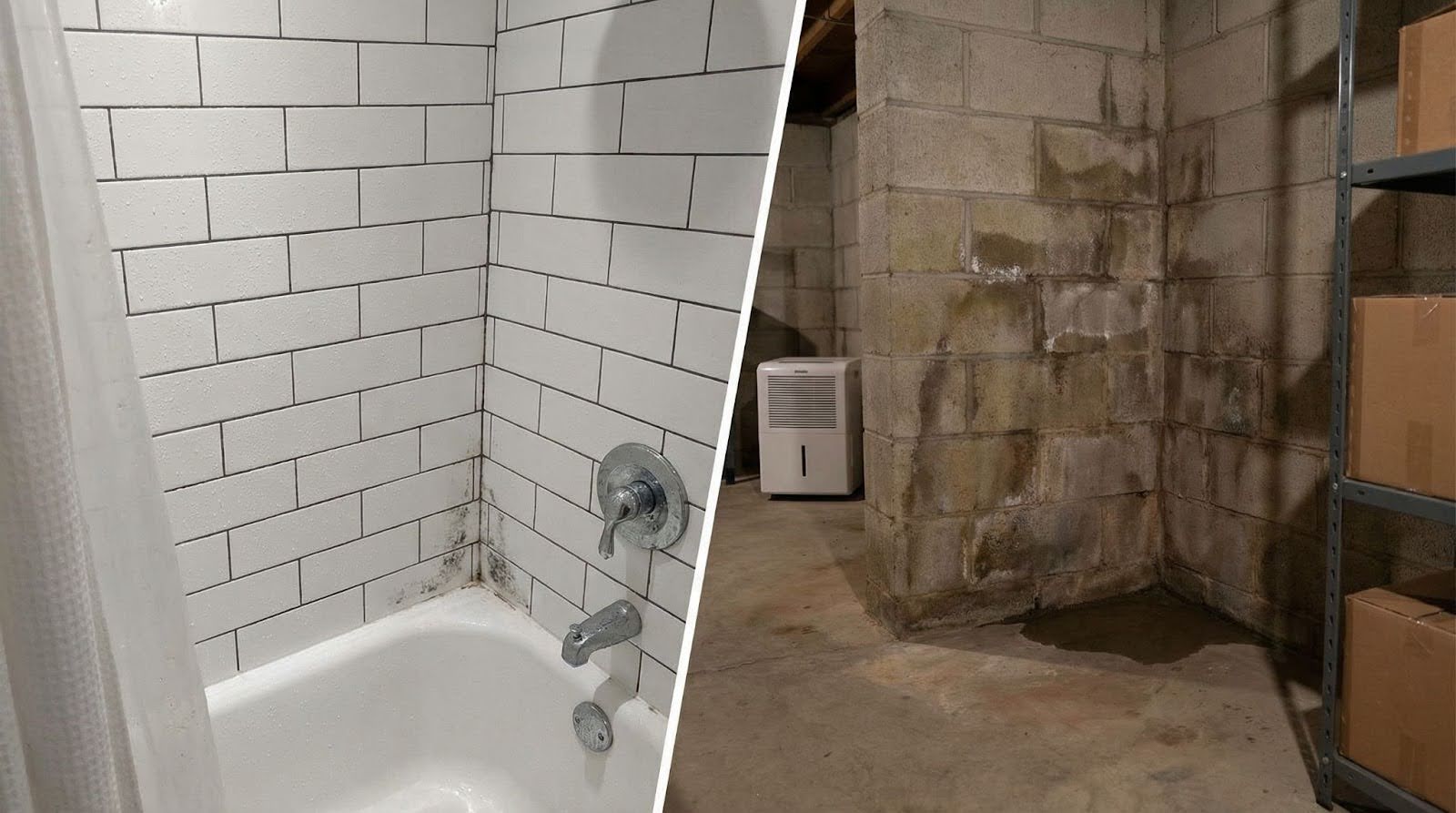
Indoor mold growth is closely tied to moisture levels, humid environments, and water damage. Mold can grow in humid areas like bathrooms with poor ventilation, around bathroom tiles, basements, laundry rooms, near air conditioner units, and in hidden areas behind walls or under flooring where leaks have occurred. Professional indoor air quality testing can help identify hidden mold problems and assess the overall air quality in your home.
Visible mold, especially when combined with a musty odor, often means there may be more mold growth in hidden areas that are not obvious at first glance. If mold increase is noticed after a leak, flood, or condensation problem, it is worth noting that materials such as drywall, insulation, and carpet can hold moisture and support mold during pregnancy and beyond if not dried and cleaned properly.
Prevent Mold Growth and Disease Control Steps
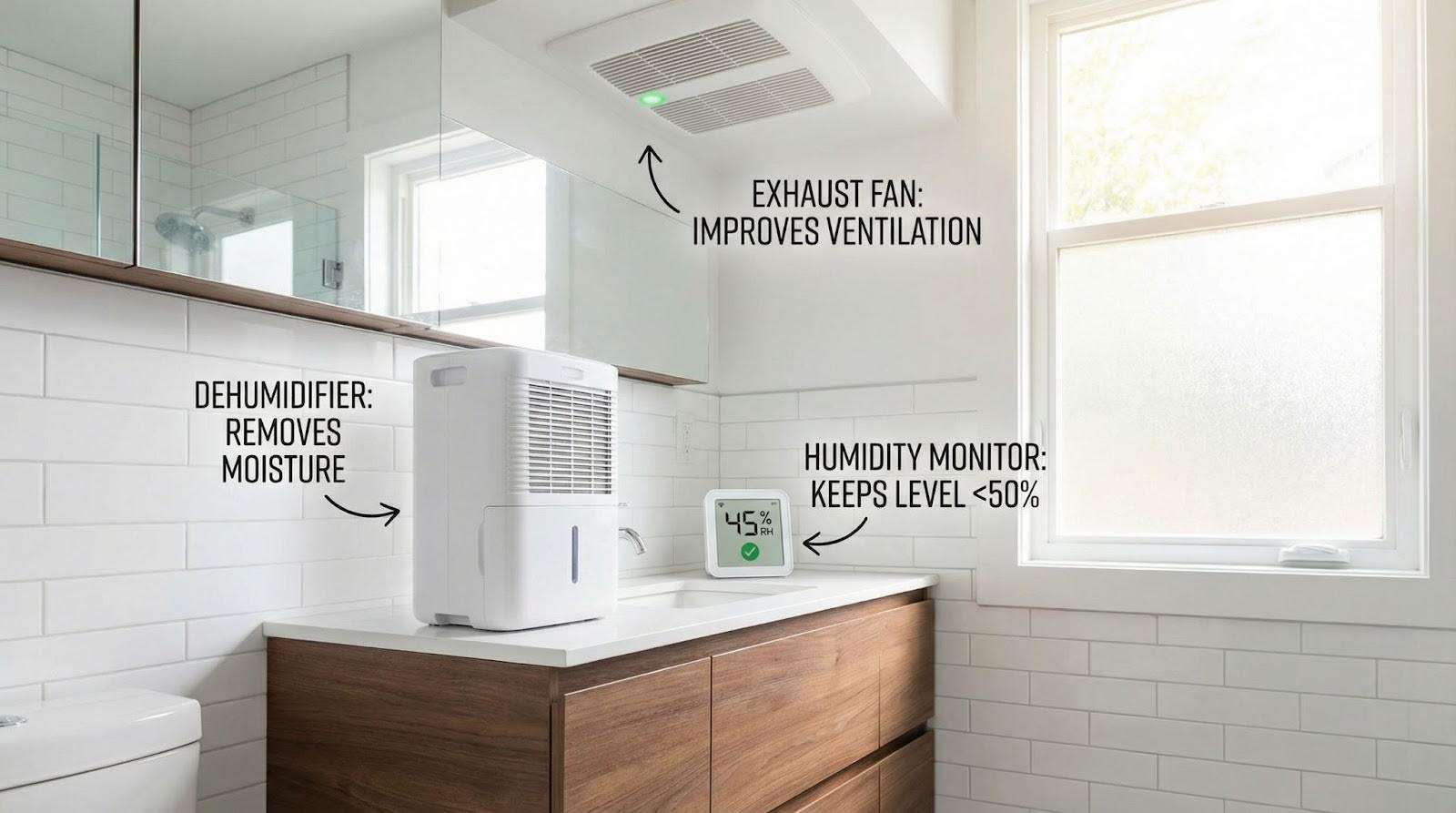
To prevent mold growth and reduce health risks, disease control guidance from public health agencies focuses on moisture control, ventilation, and safe cleanup practices. Important steps include:
- Control moisture levels. Keep indoor humidity below about 50
percent using dehumidifiers or air conditioner systems and repair roof, plumbing, or window leaks promptly to prevent water damage. - Use exhaust fans. Run exhaust fans in bathrooms, kitchens, and
laundry rooms to vent moisture outside, and improve airflow in closets and other tight spaces where humid air can collect. - Dry wet materials quickly. Dry carpets, furniture, and building
materials within 24 to 48 hours after any spill or flood so mold spores do not have time to colonize and grow. - Avoid painting over mold. Do not cover visible mold with paint
or caulk, because mold will continue to grow behind the surface and can still affect pregnancy and overall health.
Pregnant women and pregnant people should not take on large mold cleanup projects themselves, especially when there is high exposure or extensive damage. For bigger projects, professional mold killing products and methods used by trained remediators are safer than home attempts, since they combine proper ventilation, containment, and protective equipment.
Professional Mold Inspection for Expecting Mothers
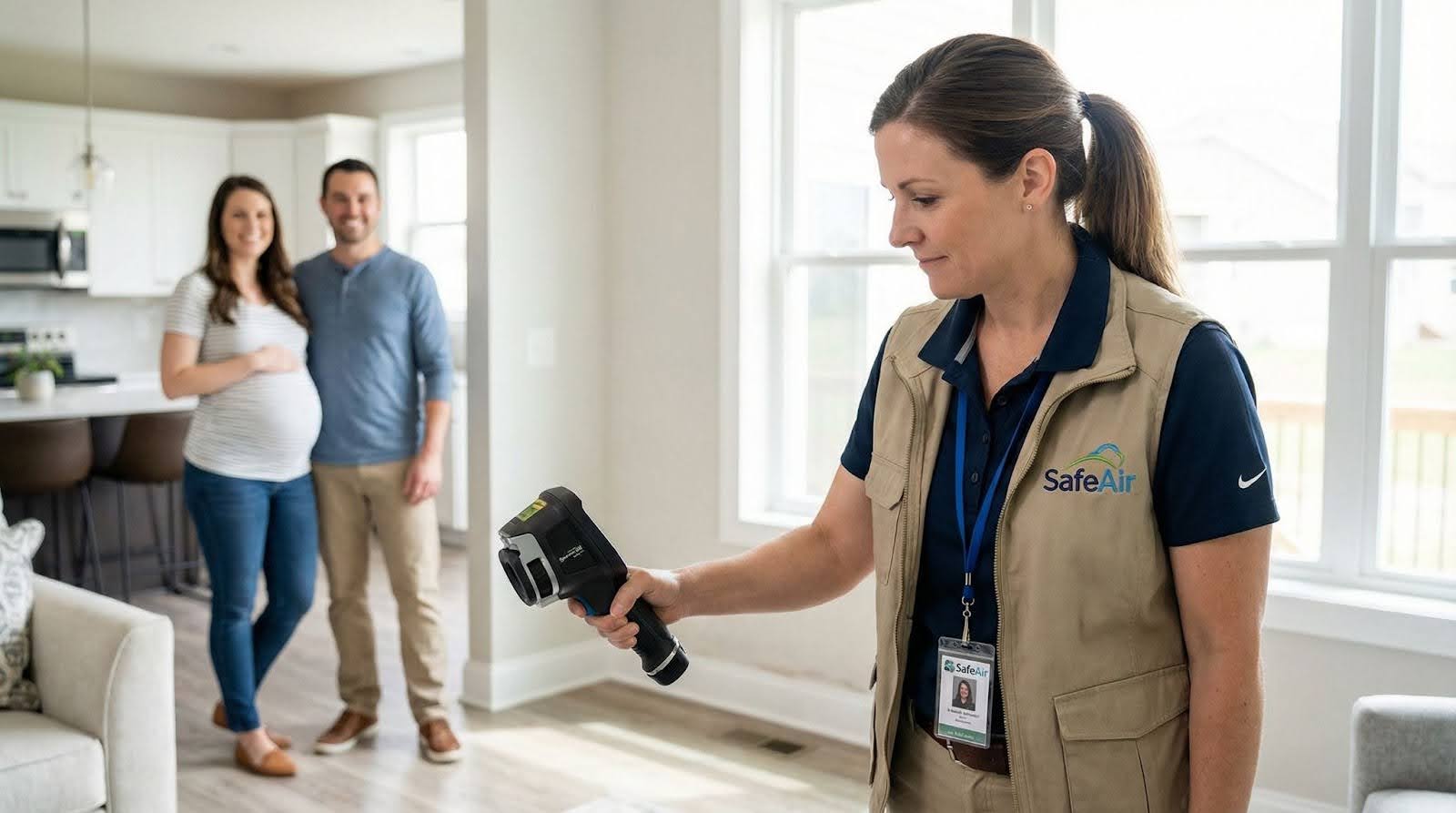
Because exposure to mold can be stressful and confusing, especially for expecting mothers, a professional mold inspection provides clarity about the extent of indoor mold exposure and the steps needed to improve conditions. Certified inspectors can locate hidden mold problems, measure moisture levels, and identify humid areas or hidden areas where leaks and mold growth are likely.
SafeAir Certified Mold Inspection Inc. uses advanced tools and science‑based methods to find black mold, other mold species, and moisture sources without unnecessary demolition. This approach helps protect pregnant women, babies, and families by guiding safe remediation and minimizing additional exposure during the cleanup process. After remediation is complete, post-remediation clearance testing ensures that mold levels have returned to safe levels before families reoccupy treated areas.
Conclusion and Next Steps

Mold exposure during pregnancy is worth taking seriously, even at low doses, because chronic dampness and mold can affect pregnancy outcomes, respiratory health, and comfort in the home. While more research is needed to fully understand how different mold toxins affect pregnancy and babies, it is clear that reducing exposure to mold, correcting water damage quickly, and improving ventilation are important steps for protecting maternal and fetal health.
If you are an expecting mother or pregnant person who is worried about exposure to mold, visible mold growth, or persistent musty odors in your home, professional help can make a real difference. Serving families throughout North Carolina and Georgia, contact SafeAir Certified Mold Inspection Inc. for comprehensive mold testing and inspection that focuses on health risks for pregnant women, developing babies, and families.
Protect your home and your baby’s health. Visit SafeAir Certified Mold Inspection Inc. or call 404‑695‑3610 to schedule your mold inspection today.