Will bleach kill mold? Yes, but only on certain surfaces. This article will explain where bleach is effective, its limitations, and alternative solutions for mold removal.
Key Takeaways
Bleach is effective for killing mold on non-porous surfaces but fails to eliminate mold spores in porous materials, posing a risk of regrowth.
Using bleach for mold removal comes with health risks due to toxic fumes, and it can cause structural damage to surfaces like wood and metal.
Safer alternatives for mold remediation include hypochlorous acid and vinegar, which penetrate materials better and do not produce harmful fumes.
Understanding Mold Growth and Removal
Mold growth is a persistent problem in many homes, largely because mold spores are present in the air and can settle on almost any surface. These microscopic spores thrive in damp, humid environments, quickly taking hold on materials like drywall, wood, and carpeting. Once mold begins to grow, it can be challenging to eliminate, especially if the underlying moisture issue isn’t addressed.
Effective mold removal starts with understanding how mold spreads and the best ways to kill mold without making the problem worse. When cleaning mold, it’s crucial to use cleaning solutions and techniques that actually eliminate mold roots, rather than just removing surface stains. One common mistake is using chlorine bleach on porous surfaces. While bleach can kill mold on nonporous surfaces like tiles or metal, it cannot penetrate deep into porous materials such as wood or drywall. This means the mold roots and spores remain, allowing mold growth to return—sometimes even more aggressively. Additionally, the water content in bleach can seep into these materials, providing more moisture for mold to thrive.
Another concern with using bleach is the release of toxic fumes, which can be harmful to your health. When cleaning mold with bleach, always wear protective gloves, a mask, and eye protection to minimize exposure to these chemicals. However, even with these precautions, bleach is not the safest or most effective option for mold remediation.
A safer and more effective alternative for cleaning mold, especially on porous surfaces, is white vinegar. Vinegar is a natural cleaner that can kill mold and mildew without producing harmful fumes or damaging most surfaces. To use vinegar for mold removal, simply fill a spray bottle with undiluted white vinegar, spray it directly onto the moldy surface, and let it sit for several minutes. Afterward, rinse the area with clean water and allow it to dry thoroughly. This method helps eliminate mold spores and prevents regrowth without introducing harsh chemicals into your home.
It’s also essential to address the root cause of mold growth—excess moisture. Fixing leaks, reducing condensation, and improving ventilation are key steps in preventing mold from returning. Always wear protective gloves and gear when cleaning mold to avoid direct contact with spores and cleaning chemicals.
For extensive mold problems or if you’re unsure about the best approach, it’s wise to contact a professional mold remediation service. Professionals have the expertise and equipment to safely remove mold, eliminate spores, and identify the source of moisture fueling the mold growth.
In summary, understanding how mold grows and the best ways to remove it is crucial for maintaining a healthy home. By choosing the right cleaning solutions, addressing moisture issues, and taking proper safety precautions, you can effectively clean mold and prevent it from coming back. If the mold problem is severe, don’t hesitate to seek professional help to ensure thorough and safe mold removal.
What Bleach Does to Mold
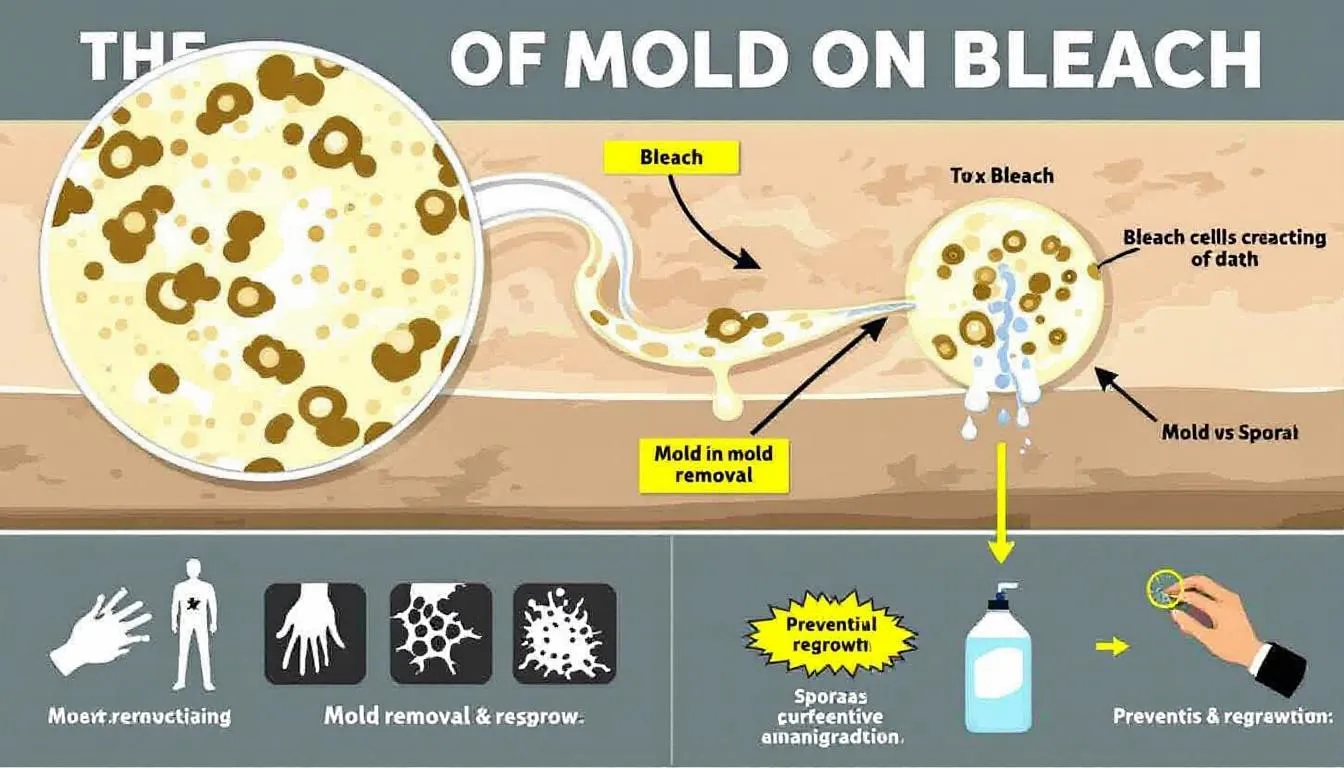
Bleach is often touted as a miracle cleaner, capable of eradicating all sorts of household grime and germs. Mold is a type of fungi that thrives in moist environments and can cause health and property issues. It is indeed effective in specific scenarios for killing mold, particularly on nonporous surfaces like tiles and glass. When bleach is applied to mold, the chlorine in it breaks down the mold’s proteins, effectively killing it. However, this process can take anywhere from 30 minutes to several hours.
Despite its apparent effectiveness, bleach has significant limitations. It cannot kill airborne mold spores, which means it only addresses the visible mold on surfaces and not the underlying problem. On porous surfaces, bleach often changes the mold’s color, making it appear as if the mold is gone, but it does not eradicate the roots, allowing regrowth. This limitation reduces its overall effectiveness since mold spores can easily take root again under the right conditions. Additionally, bleach’s inability to kill airborne spores can give homeowners a false sense of security, making them believe they’ve completely solved their mold problem when the threat still lingers.
Bleach may not penetrate all types of surfaces equally. The effectiveness of bleach varies dramatically depending on whether the surface is porous or non-porous. Molds can regrow if not fully eradicated, as their roots can remain beneath the surface, making complete removal challenging without professional remediation.
The Effectiveness of Bleach on Different Surfaces
Bleach’s ability to kill mold is significantly influenced by the type of surface it is applied to. On non-porous surfaces, such as glass, tiles, and metal, bleach can be highly effective. However, its effectiveness plummets when dealing with porous materials like wood and drywall. This disparity stems from bleach’s chemical properties and how it interacts with different materials.
On non-porous surfaces, bleach can penetrate and effectively eliminate mold. Conversely, on porous surfaces, bleach fails to reach the mold roots, leaving the underlying problem unchecked. The water from bleach can soak into porous materials, feeding mold beneath the surface and potentially worsening the infestation. Using bleach on porous materials can sometimes worsen the situation by promoting further mold growth due to the moisture content left behind.
Understanding how bleach interacts with these two types of surfaces and chemicals is essential to establish proper contact. While bleach is sometimes used to treat mold, alternative solutions may be more effective for certain surfaces, especially porous ones.
Non-Porous Surfaces
Non-porous surfaces are materials that do not absorb moisture, making them ideal candidates for bleach treatment in the bathroom. Common examples include:
Glass
Tiles
Sinks
Bathtubs
Metal surfaces
Before you apply bleach, prepare a disinfecting solution by mixing bleach and water in a large bucket, using measuring cups for accurate proportions.
Bleach effectively kills mold on these surfaces without leaving behind moisture that could promote further mold growth. To apply bleach, use a sponge to spread the solution evenly over the non-porous surface for effective cleaning.
Non-porous surfaces do not allow mold to penetrate deeply, so the mold remains on the surface where bleach can easily reach and destroy it. This makes bleach suitable for cleaning areas like bathrooms and kitchens, where non-porous surfaces are prevalent.
Porous Surfaces
Wood, drywall, and fabrics are porous surfaces that absorb moisture, making it difficult for bleach to reach the mold roots. Sometimes, bleach is sprayed onto these porous surfaces in an attempt to remove mold, but this method does not ensure deep penetration or effective removal. While bleach may remove visible mold, it doesn’t eliminate the spores embedded deep within the material. As a result, mold can quickly regrow, often worse than before.
The high water content in bleach can exacerbate the problem. When applying bleach to porous materials, the water solution can seep in, providing an ideal environment for mold to thrive. This not only fails to solve the problem but may also lead to mold spreading to previously unaffected areas.
Bleach can cause mold on porous surfaces to regain mold’s color, giving the illusion that it has returned to its original state. This temporary masking effect can mislead homeowners into thinking they’ve solved the issue when they’ve only treated the surface. Therefore, bleach is not recommended for porous surfaces when addressing mold issues.
Health Risks of Using Bleach for Mold Removal
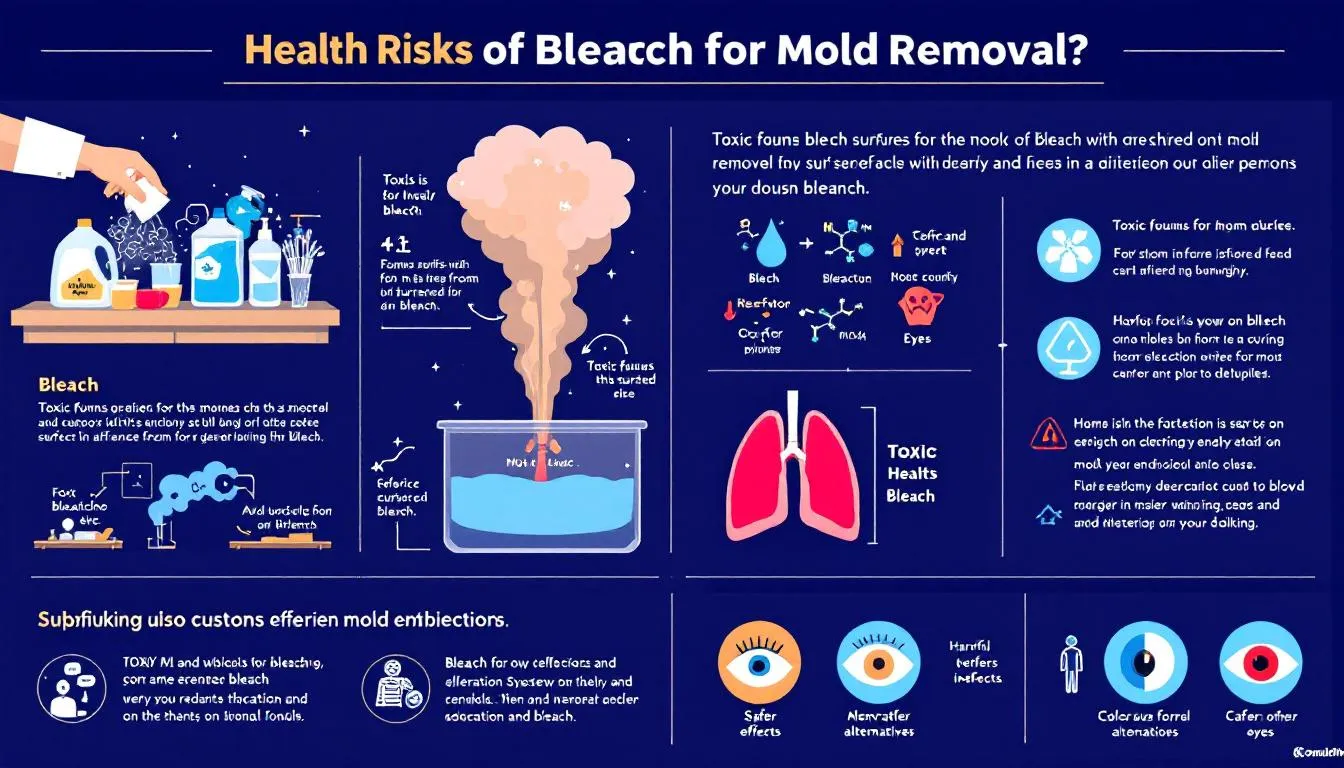
Using bleach to kill mold comes with health risks, primarily due to the release of toxic fumes, which can be particularly harmful to individuals with respiratory issues or sensitivities. Chlorine bleach can also enter a gaseous state, producing dangerous byproducts like chlorine gas that pose serious health risks when inhaled. Inhaling these fumes can cause irritation of the eyes, nose, and throat, and in severe cases, respiratory distress.
Dead mold can still trigger allergic reactions in sensitive individuals, ranging from mild symptoms like sneezing and skin irritation to more severe respiratory issues. Wearing protective gear such as an N95 respirator, non-latex gloves, and goggles is crucial when cleaning mold with bleach.
Given the potential for toxic fumes and lingering allergens, using bleach for mold remediation involves significant health risks. Therefore, considering these risks and taking appropriate precautions is essential.
Structural Damage from Bleach
Bleach is harmful to your health and can also cause significant structural damage to your home. Cracks in foundations or walls can allow moisture to enter, creating ideal conditions for mold growth and compounding the damage caused by bleach. When applied to wooden components, bleach can negatively affect the breakdown of lignin and cellulose, degrading the wood. This breakdown process can cause the wood to lose dimensional stability, making it more susceptible to environmental damage.
Defibration, where bleach causes the wood fibers to separate, results in a rough surface that can absorb more water and accelerate decay. This weakens the structural integrity of the wood and promotes further mold growth.
Bleach can also cause accelerated corrosion on metal surfaces, decreasing their strength and integrity over time. Harmful byproducts from chlorine-based cleaning agents contribute to the deterioration of both wood and metal, further undermining your home’s structural integrity.
Alternatives to Bleach for Mold Remediation

Given the risks and limitations of using bleach, exploring safer and more effective alternatives for mold remediation is worthwhile. One such alternative is hypochlorous acid, which:
Is produced from salt, water, and vinegar
Is a powerful disinfectant that can kill 99.9% of germs, including mold
Is generated by products like Force of Nature
Is safe to use without requiring rinsing, masks, or gloves
Vinegar is another effective alternative, particularly for porous surfaces. Its benefits include:
Penetrating the material and killing mold at its roots, offering a more lasting solution compared to bleach
Being non-toxic
Not producing harmful fumes, making it a safer option for mold removal. Additionally, white vinegar can be used as a natural solution for this purpose.
For severe mold problems that exceed DIY capabilities, calling a professional for mold remediation is advisable. Experts have the tools and knowledge to thoroughly remove mold and address the underlying issues, ensuring a more permanent solution.
Steps for Safe Mold Removal Using Bleach

If you choose to use bleach for mold removal despite its drawbacks, following safety guidelines to minimize health risks is crucial. Ensure the area is well-ventilated to avoid inhaling harmful fumes. Open windows and doors to promote airflow while using bleach.
Wear protective equipment like an N95 respirator, goggles, and non-latex protective gloves to protect yourself from exposure to bleach and mold spores. Do not mix bleach with ammonia or other cleaning solutions to prevent hazardous chemical reactions.
To clean mold effectively, follow these steps:
Use a solution of one cup of bleach diluted in a gallon of water.
Apply the solution to the moldy surface.
Let it sit for at least 30 minutes.
Scrub the area thoroughly.
Rinse the surface with clean water to remove any remaining bleach residue.
Make sure the area is thoroughly cleaned and dried to prevent chemical residue buildup and ensure effective mold removal.
Following these careful steps will help ensure a safer and more effective mold removal process.
Common Mistakes When Using Bleach for Mold
Many people make common mistakes when using bleach for mold removal. A dangerous mistake is mixing bleach with ammonia or other cleaners, which can create toxic chlorine gas. This gas is harmful and can cause severe respiratory issues if inhaled.
Another misconception is believing that bleach is the most effective method for mold removal. While bleach can kill mold on non-porous surfaces, it is not effective on porous materials and can even worsen the problem. Read the labels of cleaning products before using them to prevent harmful chemical reactions and ensure you are using the right product for the job.
Mold Prevention Tips

Preventing mold growth is better than dealing with it after it has taken hold. Controlling moisture levels and condensation in your home is an effective way to prevent mold. Keep indoor humidity below 60% to reduce the likelihood of mold development.
To prevent mold from taking root, follow these steps:
Dry wet areas within 24-48 hours.
Clean up spills promptly.
Dry wet clothes.
Use dehumidifiers in damp areas.
Regularly clean and maintain roof gutters to prevent water from entering around the foundation and causing mold issues.
Inspect and maintain walls, especially in areas prone to moisture, to prevent mold growth on or within wall surfaces.
Implementing these preventive measures as a routine practice can significantly reduce the risk of mold problems in your house, ensuring a healthier living air environment to rid yourself of potential health issues.
Summary
In conclusion, while bleach can be effective in killing mold on non-porous surfaces, it has significant limitations and risks. It fails to kill airborne mold spores and is ineffective on porous materials, often worsening the problem. Additionally, bleach poses health risks and can cause structural damage to your home.
Safer and more effective alternatives, such as hypochlorous acid and vinegar, should be considered for mold remediation. Preventive measures, such as controlling moisture levels and quickly drying wet areas, are crucial to avoiding mold issues in the first place. By understanding the pros and cons of using bleach for mold removal, you can make informed decisions to keep your home mold-free and healthy.
Frequently Asked Questions
Will bleach kill mold in drywall?
Bleach is not an effective solution for killing mold in drywall, as it cannot penetrate the porous material to reach the roots of the mold. For effective and long-term mold removal, alternative methods specifically designed for porous surfaces should be utilized.
Can bleach kill mold permanently?
Bleach can kill mold on non-porous surfaces, but it does not effectively eliminate mold from porous materials or airborne spores, making it an inadequate permanent solution.
What are the health risks of using bleach for mold removal?
Using bleach for mold removal poses health risks such as respiratory issues, eye irritation, and allergic reactions due to the toxic fumes it releases. Therefore, it is crucial to ensure proper ventilation and use protective gear during the process.
Are there safer alternatives to bleach for mold removal?
Yes, alternatives such as hypochlorous acid and vinegar provide effective and safer solutions for mold removal, particularly on porous surfaces.
Why is bleach not recommended for porous surfaces?
Bleach is not recommended for porous surfaces because it cannot effectively penetrate and kill mold roots, leaving behind spores that can foster further growth. Its high water content also exacerbates the issue rather than resolving it.