
How Long-Term Mold Exposure Affects Your Body
Mold produces microscopic spores, fragments, and mycotoxins that enter your body through inhalation, skin contact, and occasionally ingestion. Short-term exposure may cause minor irritation. Long-term exposure allows these compounds to accumulate and trigger chronic inflammatory responses across multiple body systems.
The World Health Organization (WHO) confirmed in its 2009 Guidelines for Indoor Air Quality that occupants of damp or moldy buildings have up to a 75% increased risk of respiratory symptoms and asthma. The EPA states there is no safe level of mold exposure for sensitized individuals.

Long-Term Mold Exposure Symptoms by Body System
Respiratory Symptoms
The respiratory system takes the first and hardest hit from prolonged mold exposure. Mold spores lodge in the nasal passages, sinuses, and lungs, causing ongoing inflammation.
Symptom | Onset Timeline | Severity with Long-Term Exposure |
|---|---|---|
Chronic cough | 1-4 weeks | Worsens; may become productive |
Wheezing | 2-6 weeks | Persistent, especially at night |
Shortness of breath | 1-3 months | Progressive with continued exposure |
Recurring sinus infections | 1-3 months | Increases in frequency over time |
Chronic rhinitis (runny/stuffy nose) | 1-2 weeks | Becomes constant |
Asthma development or worsening | 3-12 months | Can become permanent |
Hypersensitivity pneumonitis | 6-12+ months | Serious; requires medical treatment |
The CDC specifically links indoor mold exposure to the development of asthma in children who are genetically predisposed. Adults who never had asthma can develop it after prolonged mold exposure, a condition our inspection team encounters frequently during post-testing consultations.

Related reading: 10 Warning Signs of Mold Toxicity You Must Know
Neurological and Cognitive Symptoms
Mycotoxins produced by certain mold species (especially Stachybotrys chartarum, commonly called black mold) can affect the central nervous system. Research published in the International Journal of Molecular Sciences (2019) documents neurotoxic effects from chronic mycotoxin exposure.
- Brain fog — difficulty concentrating, slowed thinking, trouble finding words
- Memory problems — forgetting appointments, losing track of conversations
- Headaches — frequent, persistent, often worse indoors
- Dizziness and balance issues
- Mood changes — increased anxiety, irritability, depression
- Sleep disturbances — difficulty falling asleep, frequent waking, unrefreshing sleep
- Numbness or tingling in extremities (less common, associated with high mycotoxin exposure)
We hear the same story from homeowners across Atlanta: “I thought I was just getting older” or “My doctor couldn’t find anything wrong.” When cognitive symptoms appear alongside respiratory issues, mold exposure should be high on the list of potential causes.

Skin Symptoms
Your skin acts as both a barrier and an indicator of internal inflammation from chronic mold exposure.
- Persistent rashes or hives
- Itching, especially in areas exposed to mold-contaminated air
- Dermatitis (red, inflamed skin patches)
- Worsening eczema or psoriasis
- Slow-healing wounds or skin infections
Digestive Symptoms
The gut-immune connection means long-term mold exposure often produces gastrointestinal effects, particularly if you ingest mycotoxins through contaminated food or post-nasal drip.
- Nausea
- Abdominal cramping
- Diarrhea or irregular bowel movements
- Loss of appetite
- Food sensitivities that develop over time

Immune System Effects
This is where long-term mold exposure causes its most significant damage. Chronic inflammation from ongoing mold exposure can suppress and dysregulate immune function.
Immune Effect | What You Notice |
|---|---|
Suppressed immune response | Frequent colds, flu, infections |
Increased allergic sensitivity | New allergies to dust, pollen, foods |
Autoimmune activation | Joint pain, muscle aches, inflammation |
Chronic fatigue | Exhaustion that sleep does not resolve |
Increased inflammatory markers | General feeling of being unwell |
Related reading: Can Mold Toxicity Cause Joint Pain?
Timeline: What Happens to Your Body During Prolonged Mold Exposure
Understanding the progression of symptoms helps you recognize a mold problem before it causes lasting damage.

First 1-2 Weeks
- Sneezing, runny nose, mild nasal congestion
- Itchy or watery eyes
- Mild throat irritation
- Symptoms resemble seasonal allergies
- Most people do not suspect mold at this stage
1-3 Months
- Respiratory symptoms become persistent rather than intermittent
- Sinus infections begin recurring
- Fatigue becomes noticeable
- Headaches increase in frequency
- Skin irritation may appear
- Sleep quality declines
3-6 Months
- Brain fog and cognitive symptoms emerge
- Immune system weakens; you catch every cold going around
- Existing conditions like asthma or allergies worsen significantly
- Digestive issues may develop
- Mood changes become apparent to family and coworkers
- Energy levels drop substantially
6-12 Months
- Chronic respiratory conditions may develop or become permanent
- Significant cognitive impairment affecting work performance
- New food or environmental sensitivities appear
- Joint and muscle pain (potentially autoimmune activation)
- Depression and anxiety intensify
- Overall quality of life noticeably declines
1+ Years
- Risk of hypersensitivity pneumonitis (a serious lung condition)
- Potential permanent lung damage in severe cases
- Chronic fatigue syndrome-like symptoms
- Multiple chemical sensitivity
- The EPA warns that long-term exposure in severely contaminated buildings can lead to conditions requiring extended medical treatment
Important note from our team: We have inspected homes where families lived with hidden mold behind walls or under flooring for 2-5 years without knowing. In every case, at least one household member had developed chronic health issues that improved after mold remediation and relocation during the cleanup process.

Short-Term vs. Long-Term Mold Exposure: Key Differences
Factor | Short-Term Exposure (Days to Weeks) | Long-Term Exposure (Months to Years) |
|---|---|---|
Symptom type | Acute allergic reactions | Chronic, multi-system symptoms |
Severity | Mild to moderate | Moderate to severe |
Reversibility | Symptoms resolve quickly after removal | Some symptoms may persist for months after exposure ends |
Body systems affected | Primarily respiratory and eyes | Respiratory, neurological, immune, digestive, skin |
Immune impact | Temporary irritation | Potential immune dysregulation |
Typical symptoms | Sneezing, coughing, itchy eyes | Brain fog, chronic fatigue, recurring infections, joint pain |
Medical intervention | Rarely needed | Often required |
Recovery time | Hours to days | Weeks to months after exposure stops |
The critical difference: short-term exposure triggers your body’s acute defense response, and symptoms stop when exposure stops. Long-term exposure overwhelms your body’s defenses and can cause damage that persists well after you leave the contaminated environment.

Who Is Most Vulnerable to Chronic Mold Exposure?
Certain groups face elevated risk from prolonged mold exposure health effects:
- Infants and young children — developing immune and respiratory systems are more susceptible
- Adults over 65 — declining immune function increases vulnerability
- People with asthma or chronic lung disease — mold accelerates respiratory decline
- Immunocompromised individuals — cancer patients, organ transplant recipients, HIV-positive individuals
- Pregnant women — mold exposure may affect both maternal and fetal health (read more about mold exposure during pregnancy)
- People with existing allergies — heightened inflammatory response to mold allergens

When to Get Your Home Tested for Mold
Get professional air quality testing if you experience any of these situations:
- Multiple household members develop similar symptoms — especially respiratory issues, fatigue, and headaches
- Symptoms improve when you leave home and return when you come back
- You smell a musty or earthy odor you cannot locate
- You see visible mold growth in any area, even if it seems small
- Your home has a history of water damage, leaks, or flooding
- Indoor humidity regularly exceeds 60%
- You have unexplained health symptoms that your doctor cannot attribute to another cause
Our team at SafeAir uses laboratory-grade air sampling and surface testing to identify mold species and spore concentrations in your home. We test over 1,000 properties per year across the greater Atlanta area, and we provide a full written report with actionable steps — not just a pass/fail result.

Related reading: How to Tell If Mold Is Making You Sick
When to See a Doctor About Mold Exposure Symptoms
Schedule a medical appointment if you experience:
- Respiratory symptoms lasting more than 3 weeks without improvement
- Coughing up blood or discolored mucus
- Persistent fever alongside respiratory symptoms
- Severe or sudden-onset breathing difficulty
- Cognitive symptoms (brain fog, memory loss) affecting daily life
- Symptoms in a child, elderly person, or immunocompromised individual
Tell your doctor about potential mold exposure. Many physicians do not ask about indoor environmental quality unless you bring it up. A mold-aware allergist or environmental medicine specialist can run specific tests including IgE antibody panels, mycotoxin urine tests, and pulmonary function assessments.
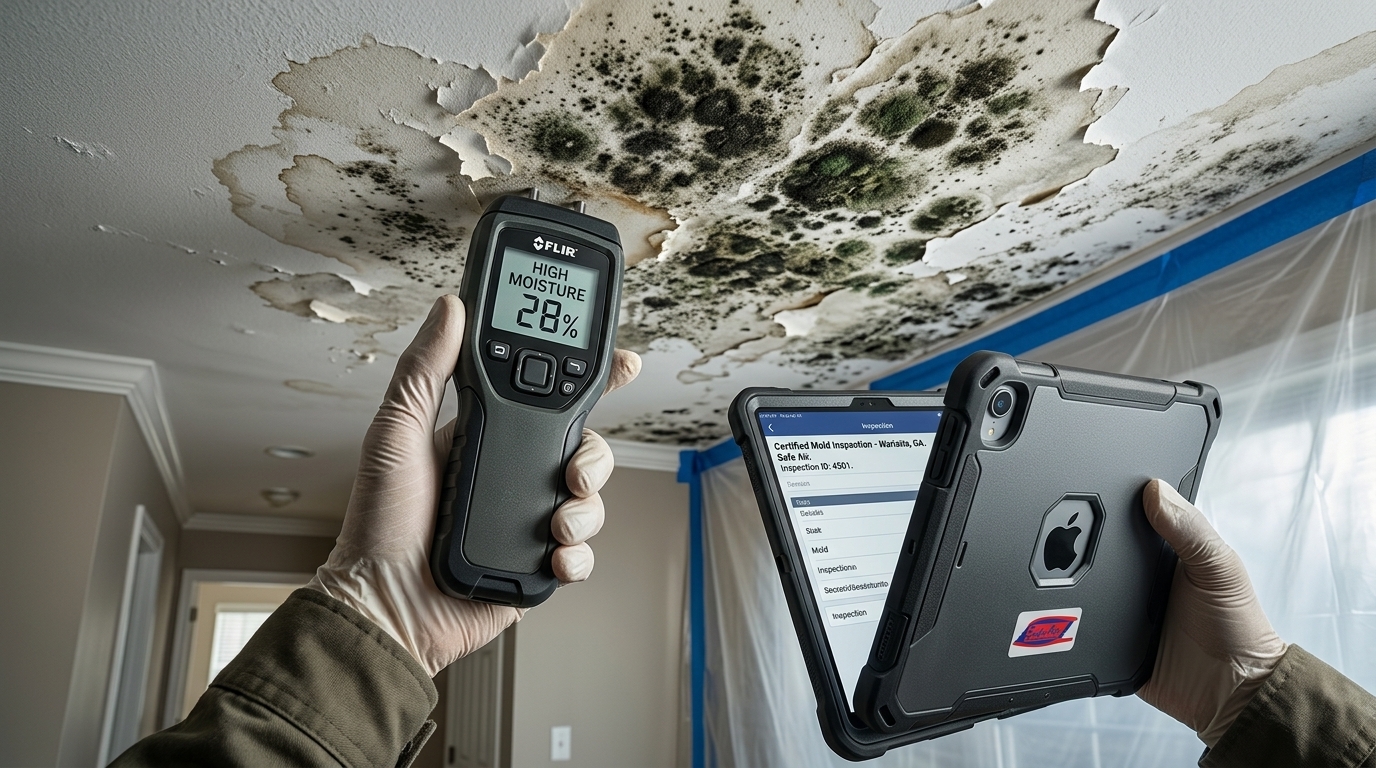
Steps to Reduce Long-Term Mold Exposure Health Effects
If you suspect mold in your home, take these steps immediately:
- Increase ventilation — open windows, run exhaust fans in bathrooms and kitchens
- Control humidity — keep indoor levels between 30-50% (the EPA recommends this range)
- Fix leaks promptly — any water intrusion can produce mold growth within 24-48 hours
- Do not disturb visible mold — scrubbing or scraping releases massive quantities of spores into the air
- Schedule professional testing — guessing is not a strategy when your health is involved
- Document your symptoms — keep a log of what you feel, when, and where; this helps both your doctor and your mold inspector